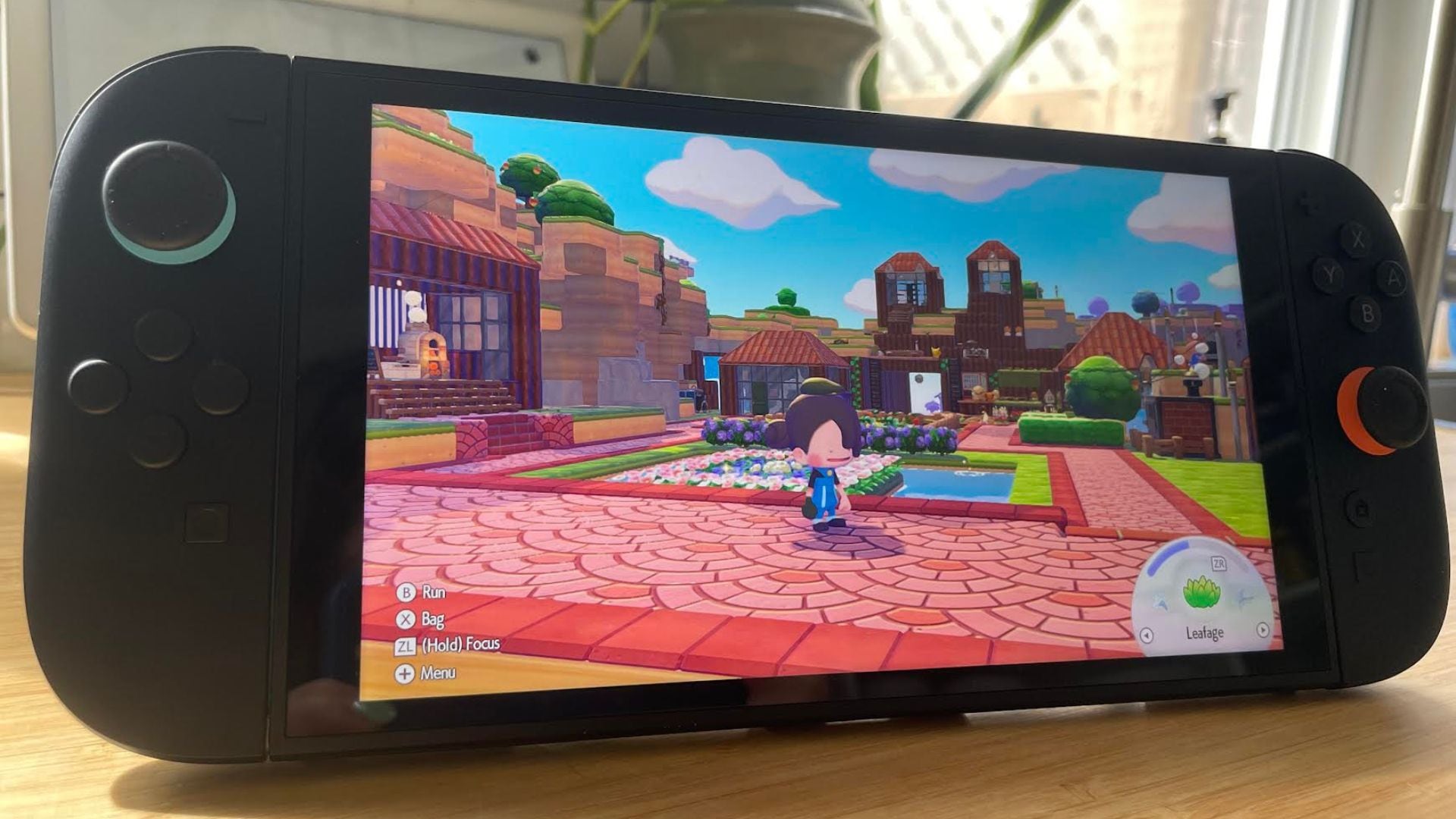
A deep dive into the Nintendo Switch 2 — how it works, what’s new, and whether it’s truly worth the investment. We’ve got the answers.
If you’re an ’80s or ’90s baby and love gaming, you’ve probably spent a good chunk of your life with a Nintendo system. From the NES to the Game Boy to the Switch, the brand has evolved with the times, moving seamlessly from clunky consoles to handheld devices with high connectivity.
Of course, the core concept remains the same, and many familiar characters from years past continue to appear in new releases, including Link, Mario, and, of course, Pokémon. Naturally, storylines have become more complex, graphics more responsive and lifelike, and controls more streamlined, making gameplay easier and more enjoyable.
I’ve grown up with the brand myself. I was lucky enough to have a Game Boy Colour as a child, a 3DS a little later on, a Nintendo Switch Lite, and, most recently, a Nintendo Switch OLED model.
While I loved my most recent console, I couldn’t stop thinking about the Nintendo Switch 2. The price point made it hard to justify the upgrade — especially since my Switch was still going strong. However, when Pokopia, Nintendo’s new Switch 2–exclusive that blends cozy farming-style gameplay with the critters I’ve loved since childhood, was announced, it was game over (pun intended) for my OLED, and time to take the plunge.
In the name of research, I put it to the Nintendo Switch 2 to test to see if it lived up to all the hype.
The Nintendo Switch 2 Design
Having experienced every iteration of the Nintendo Switch — along with several models that came before it — I can say the design of the Nintendo Switch 2 feels familiar, but with a few key upgrades that make it worth the investment.
First — and most noticeably — is the screen. The Switch 2 features a larger display than its predecessor, measuring 7.9 inches (nearly a full inch bigger than the OLED model) with a crisp 1080p resolution, compared to the original’s 720p. It also supports 4K output when docked, along with HDR and VRR, and offers frame rates of up to 120 fps, in layman’s terms, that translates to brighter, more vivid visuals, enhanced clarity, and — most importantly — smoother gameplay.
Another major win is the upgraded Joy-Cons. With the OLED model, I often found myself accidentally sliding the controllers out mid-game — effectively pausing things at the worst possible moment (defeating Ganon, it turns out, isn’t easy on my grip). Nintendo clearly listened, updating the design so the Joy-Cons now stay securely in place with magnetic connectors instead of sliding rails.
The result? No more shifting or accidental disconnects — even when you’re in the heat of battle or taking tight turns on Mario Kart’s Rainbow Road. They’re also lined with different colours that correspond to their dock, so you never end up trying to put them into the wrong side.
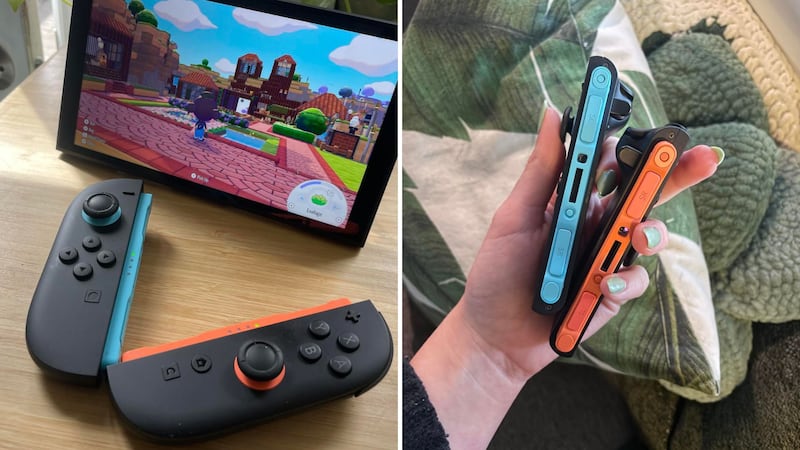
For those who prefer to play with the Joy-Cons in hand and the screen set up in front of them, Nintendo has made another smart upgrade with the kickstand. While the OLED model featured a flat bar design, the Nintendo Switch 2 introduces a kickstand with an open centre, making it easier to loop cords through or even hang the device for a more flexible setup.
It also feels noticeably sturdier than the previous version — something users are sure to appreciate during longer play sessions.
Now, let’s talk internal storage. While it might not be the first thing on your mind, anyone who’s ever been hit with that dreaded “Storage Full” message knows how important it is. The Nintendo Switch OLED offers 64GB of storage, which is decent, but far from generous if you’re downloading a lot of games.
As someone who alternates between digital downloads and physical cartridges, I only really ran into issues when I wanted multiple favourites ready to go. Unfortunately, I couldn’t keep The Legend of Zelda: Breath of the Wild, The Legend of Zelda: Tears of the Kingdom, Animal Crossing: New Horizons, and my Pokémon titles all downloaded at once — so I found myself constantly swapping them in and out. Many players solve this with SD cards, but I stubbornly avoided that route, possibly to my own detriment.
Thankfully, the Nintendo Switch 2 comes with a much more accommodating 256GB of internal storage, meaning I may never have to juggle my library again.
When it comes to audio, it’s said there hasn’t been a major upgrade — but after using both back to back, I can confirm the Nintendo Switch 2 does sound better. My OLED model may be simply showing its age after years of use (and thousands of hours spent playing Slay the Spire), but the difference still feels noticeable.
After a deep dive through Reddit and Facebook discussions, it seems the speakers are housed differently in the Switch 2, resulting in clearer, more balanced audio. Of course, that information comes from user forums, so it should be taken with a grain of salt — but I’m inclined to believe it.
As for battery life, you won’t notice much of a difference between the Nintendo Switch OLED and the latest Nintendo Switch 2. On a full charge, you can expect anywhere from 2 to 6.5 hours of playtime, which is actually slightly shorter than its predecessor. While I do wish it lasted longer, the other performance upgrades help explain the trade-off, so it’s hard to complain too much. I just keep my USB cable close and hope for the best when I’m travelling.
Nintendo Switch 2 Exclusive Games
One of the main reasons I wanted to upgrade to the Nintendo Switch 2 was for the exclusive games. Unfortunately, many of Nintendo’s newer releases aren’t compatible with older hardware, so if you want to experience the latest titles in the Nintendo universe, the Switch 2 is your best bet.
I was especially eager to explore some of the newer releases — especially Pokopia, a cozy, lifestyle-driven game in the vein of Animal Crossing: New Horizons, featuring everyone’s favourite pocket monsters.
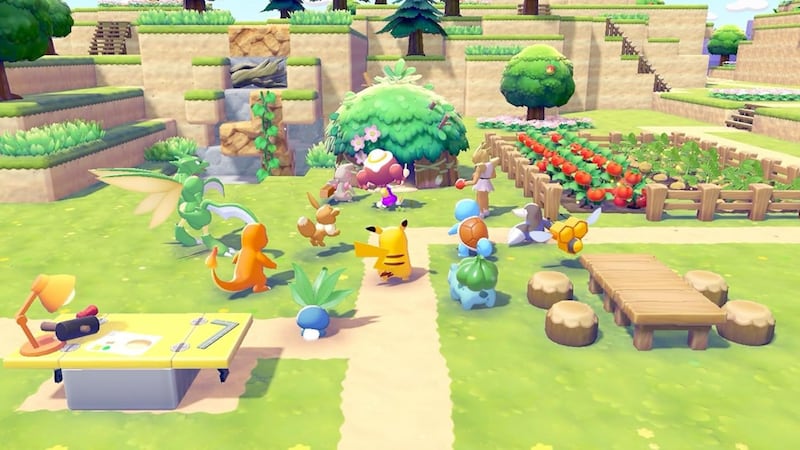
I’ve now finished the main storyline and can confirm that it is as addictive as TikTokers say. The Pokémon are cute, the world is completely customizable, and the stakes are low. I can truly play for hours without getting bored. And if I don’t like what I’m making — be that a cruise ship redesign or a museum overhaul — it’s easy to scrap and start over. If you’re into cozy games, you’re sure to love this one.
Is it annoying that I had to upgrade my console to get it? Yes. Am I upset that I did? No, not at all.
If you’re interested, here are a few of Nintendo’s latest Switch 2 exclusives to give you a feel for what’s on offer. You can expect many more titles to come.
My thoughts on the Nintendo Switch 2
The Nintendo Switch 2 is definitely an upgrade, but depending on your gaming style and preferences, it may not be a necessary one for you. In my case, I’m very happy with my order, mainly because I now have access to Switch 2 exclusive games, and they really piqued my interest. I am obsessed with Pokopia, and the hours I’ve clocked make my purchase worthwhile.
The larger screen, better graphics, and updated Joy-Cons are all wins, bringing the games into a more vivid atmosphere and making gaming more comfortable and convenient. Are they great? Yes. Are they necessary if you already love your current OLED or original Switch? Maybe not.