I have screen fatigue, and as someone living in the digital age, you probably do, too. And I’m not talking solely about the physical discomfort that comes with staring at a screen. From working at my computer from 9 to 5 and beyond to catching up on Bravo and doomscrolling on social media, I feel like screens and I have gotten a little too close. Frankly, I want to break up with some of them (It’s not me, it’s them).
Many brands are responding to the demand for less screen time, and that shift is making its way into the world of fitness tracking, too. Naturally, this is a category of tech people are interested in, and if you’re already invested in tracking your health, you probably don’t want to give it up. Understanding your baseline for things like sleep, energy, and stress can help you make more informed decisions about your lifestyle and recognize when something may need to change. But do we really need to see these metrics on our wrists and check them every five minutes? Is there a chance that having constant access to this information could actually increase our stress levels instead of helping us manage them? Personally, I think so.
In today’s market, it seems like there’s a new health tech solution every week, and it’s hard to keep up. Some I love and have fully bought into, red light masks, for one, while others leave me staring in complete bafflement and wondering, “Do I really need this in my home?” (Vibroacoustic therapy mats, I’m looking at you.) But one category I’ve constantly opted in and out of is health tracking.
I spent years sporting an Apple Watch, gave the Google Pixel Watch a try, and trained with a Garmin Vivoactive 6. I loved having access to my metrics, but I found myself getting a little too obsessed with my steps, my stats, and whether or not I was “closing my rings.” When I recently switched to the Oura Ring 5, I realized in glaring colour that maybe the screens were the problem. I still had access to all the information I wanted, but I wasn’t being confronted with it every time I lifted my wrist.
And that got me thinking: maybe you don’t need to give up health tracking to give up the screen. If you’re not into rings, I totally understand the hesitation about hopping on the bandwagon. They’re not everyone’s style, and some people find them uncomfortable. You might also prefer the feel of a traditional fitness band but not want immediate access to all those metrics. So, dear reader, I’m here to present you with some alternatives
Google | Fitbit Air

Fitbits have always been a popular choice for fitness tracking, thanks to their relatively affordable price point and wealth of health and fitness features. But if you want all that tracking power without another screen demanding your attention, this model is a great option. It monitors the essentials, including sleep, fitness, heart rate, and blood oxygen levels, without putting those metrics right on your wrist. You’ll also get a stress management score, so you can keep tabs on your stress levels. And with up to a week of battery life on a full charge, you won’t have to worry about constantly plugging it in, either.
When you do want to check in, you’ll turn to the Google Health app. It’s familiar and easy to navigate, giving you a holistic view of your health by translating the data from your wearable into easy-to-understand insights. From heart health and vitals to cardio load, steps, sleep, and recovery, you can check in when you want to without having a constant stream of metrics in front of you.
This screen-free tracker doesn’t have many downsides. We don’t love that adaptive coaching for fitness, sleep, and health is locked behind a Fitbit Premium subscription, which costs $12.99 CAD per month, but that’s pretty much it. For anyone who wants the benefits of a fitness tracker without another screen competing for their attention, it’s a pretty solid option.
WHOOP | 5.0 Activity Tracker
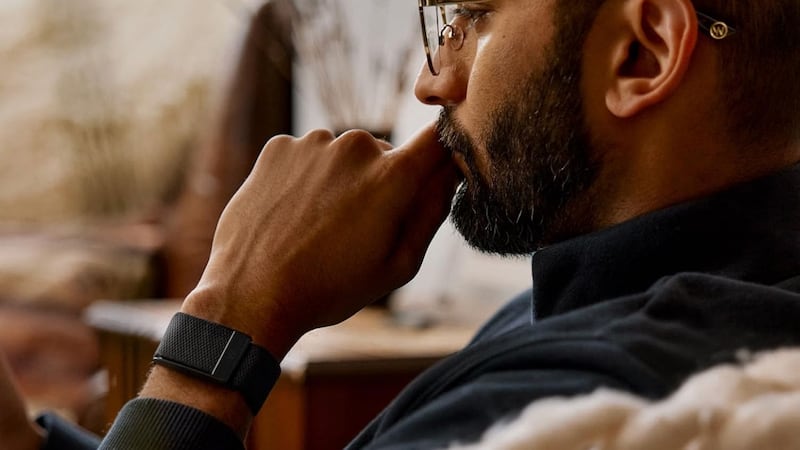
This distraction-free wearable offers 24/7 health insights, monitoring more than 140 key metrics and giving you intel on everything from sleep, strain, and VO₂ max to your menstrual cycle, real-time stress, and more. Its battery lasts more than 14 days on a full charge, so you can comfortably wear it day and night without constantly worrying about recharging.
With your purchase, you’ll get access to everything WHOOP has to offer for 12 months. After that, you’ll need to choose a membership plan, with three tiers available: One ($199 CAD/year), Peak ($239 CAD/year), and Life ($359 CAD/year). One gives you the basic necessities, while the higher tiers unlock more advanced features, including real-time stress monitoring, on-demand ECG readings, and irregular heart rhythm notifications. It also integrates easily with key apps like Google Health, Strava, and more, so you can bring your data into the platforms you already use.
This screen-free tracker is pretty close to perfect. Of course, we wish the membership were free, but paying annually helps you avoid a monthly expense, and having multiple tiers means you can choose the level of tracking that works best for you. For anyone who wants detailed, easy-to-digest health insights, WHOOP is an easy choice.
Garmin | CIRQA Smart Band

Garmin is known for its fitness trackers, with custom models for golfing, diving, running, and everything in between. But if you’re looking to go screenless while staying within the Garmin ecosystem, its CIRQA Smart Band is the one for you. Launched just last month, it offers up to 10 days of battery life, tracking for more than 80 activities, plus sleep and heart health insights.
If you’re already familiar with the Garmin Connect app, you’re ahead of the game. Your smart band automatically detects and catalogues your stats, displaying them in a user-friendly interface that still gives you a comprehensive look at your health and fitness data. The app is free to use, but there’s also a paid edition that costs $6.99 CAD per month. It’s not necessary, but it gives you access to extras like AI-powered insights and additional training guides.
Garmin’s screenless smart band does have a few pain points. Most users love that it integrates seamlessly with the Garmin ecosystem and say it’s comfortable to wear, but reviews are somewhat inconsistent. Some found the battery life shorter than expected, while others reported inconsistencies with data tracking. Band durability also came up as a concern. These aren’t insignificant complaints, but if you’re already a Garmin devotee, it could be worth the plunge.
Amazfit | Helio Strap Screenless Activity Tracker
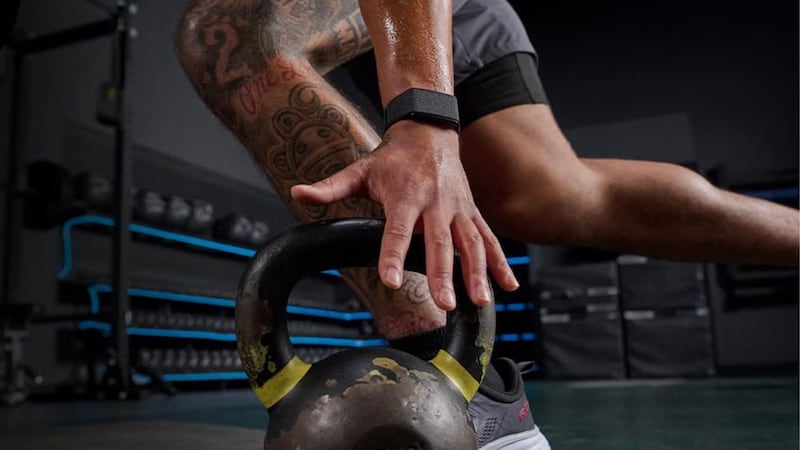
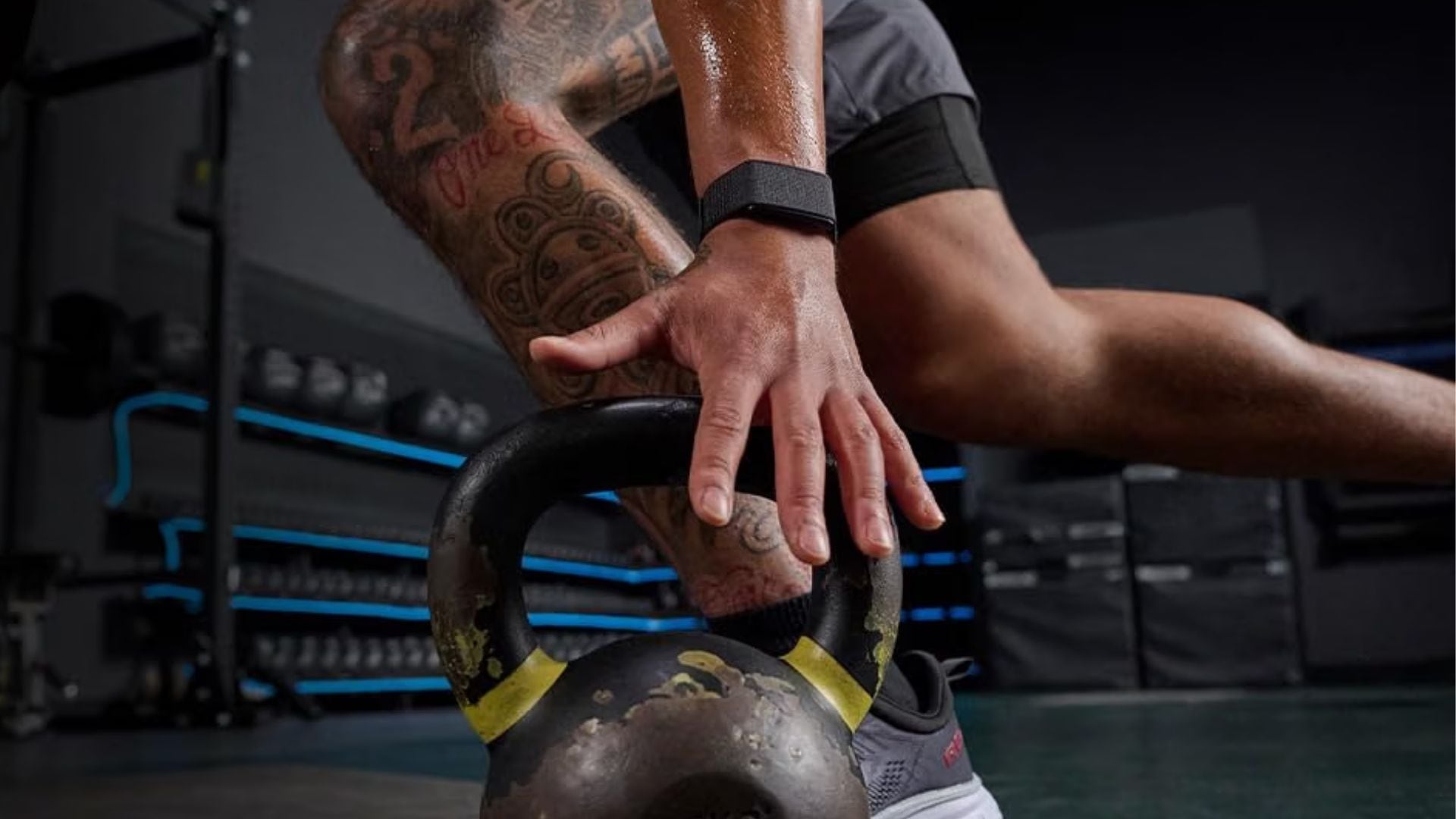
Amazfit is an affordable staple in the world of fitness tracking, and Amazon customers are big fans. With BioCharge Energy Monitoring, 24/7 health tracking, and 27 sport modes, you’ve got all your bases covered. The battery lasts up to 10 days, too, so you can get plenty of use between charges.
But where this tracker really stands out is its HYROX functionality. If you’re training to compete, you can track reps, sets, and rest periods with precision, giving you more insight into your performance. There’s even an exclusive HYROX Race mode designed to provide custom support and help you prepare for race day. For anyone training toward a HYROX competition, it’s a must-have.
You’ll find all your data neatly packed into the Zepp app, which is completely free to use. That means you don’t have to factor a monthly subscription into the cost, which we obviously love.
Luckily, we don’t have any major performance concerns with this model. Some reviewers have taken issue with the battery life, comfort, and connectivity, but most users have nothing but good things to say.
Hume | Hume Band 2.0
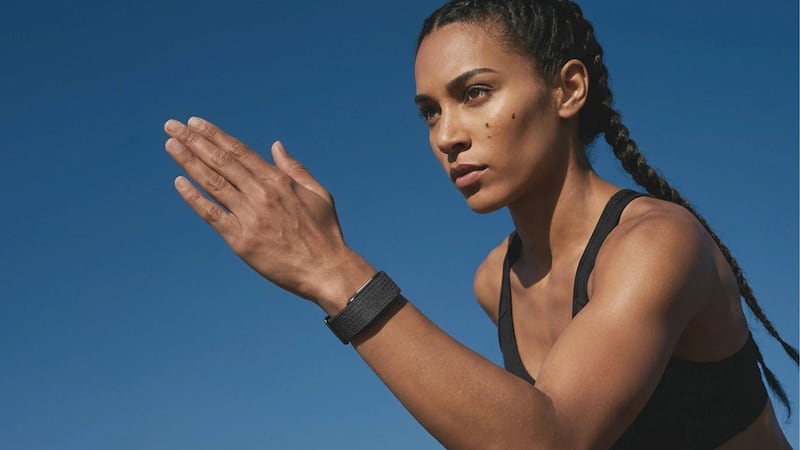
Built by scientists and a leader in body metric tracking, Hume offers two key products: a wearable and a smart scale. Its screen-free wearable puts health at the forefront, using insights like blood pressure monitoring to help detect potential health issues early and personalized coaching to help you make healthier choices. It connects your biomarkers to give you a clearer picture of your overall health and help you work toward improving your biological age.
When it comes to the app, it offers a clear, easy-to-use interface that displays your main health dashboard and top metrics as soon as you open it. Key metrics include heart rate, heart rate variability (HRV), sleep stages, blood oxygen (SpO₂), and skin temperature. It also tracks your activity and translates your rest and stress data into metrics like Metabolic Capacity and Metabolic Momentum. Each morning, you’ll also get a readiness score showing you how much gas you have in the tank. Battery life is impressive, too, giving you up to 14 days of tracking before you need to recharge.
When it comes to longevity, which is one of its main draws, Hume offers a Chronic Illness Indicator, Lifespan Meter, and Pro Intelligence, a clinical-grade analysis that runs in the background.
There isn’t really anything to dislike about this option, honestly. You’ll need Hume Health Premium to access features like AI-powered coaching and more advanced reports, which costs $8.99 per month. But if you’re happy with the base features, all you need to do is buy the wearable, download the free app, and you’re off to the races.