Patio season is officially upon us, which means it’s time to put our backyards and balconies to good use by cooking, eating, lounging, and even working in the great outdoors. You may already have the BBQ fired up and the patio furniture in place, but one important element that often gets overlooked — or could use a refresh — is the lighting.
The right outdoor lighting can completely transform your space, making it more functional and inviting long after the sun goes down. Whether you’re hosting friends for a backyard gathering, grilling dinner, or kicking back with a good book, thoughtful lighting makes spending time outdoors even more enjoyable.
From string lights and lanterns to smart sconces and flameless candles, there are plenty of ways to brighten up your space. We’re here to help with tips, tricks, and product recommendations to help you create the perfect outdoor setup.
What’s the Best Way to Light a Patio?
There’s no single “right” way to light your patio, but the best setups balance ambiance, style, and safety. In most cases, that means layering a few different types of lighting throughout your space — using soft, diffused light for conversation and lounging areas, and brighter, more focused lighting around stairs, pathways, and cooking stations.
Here are a few quick tips to help you get started:
- String, strip, and fairy lights are great for creating ambiance and illuminating larger areas.
- Lanterns and table lights are perfect for dining areas, coffee tables, and side tables.
- Areas that are difficult to navigate in the dark, such as stairs, pathways, and entryways, should always be well lit.
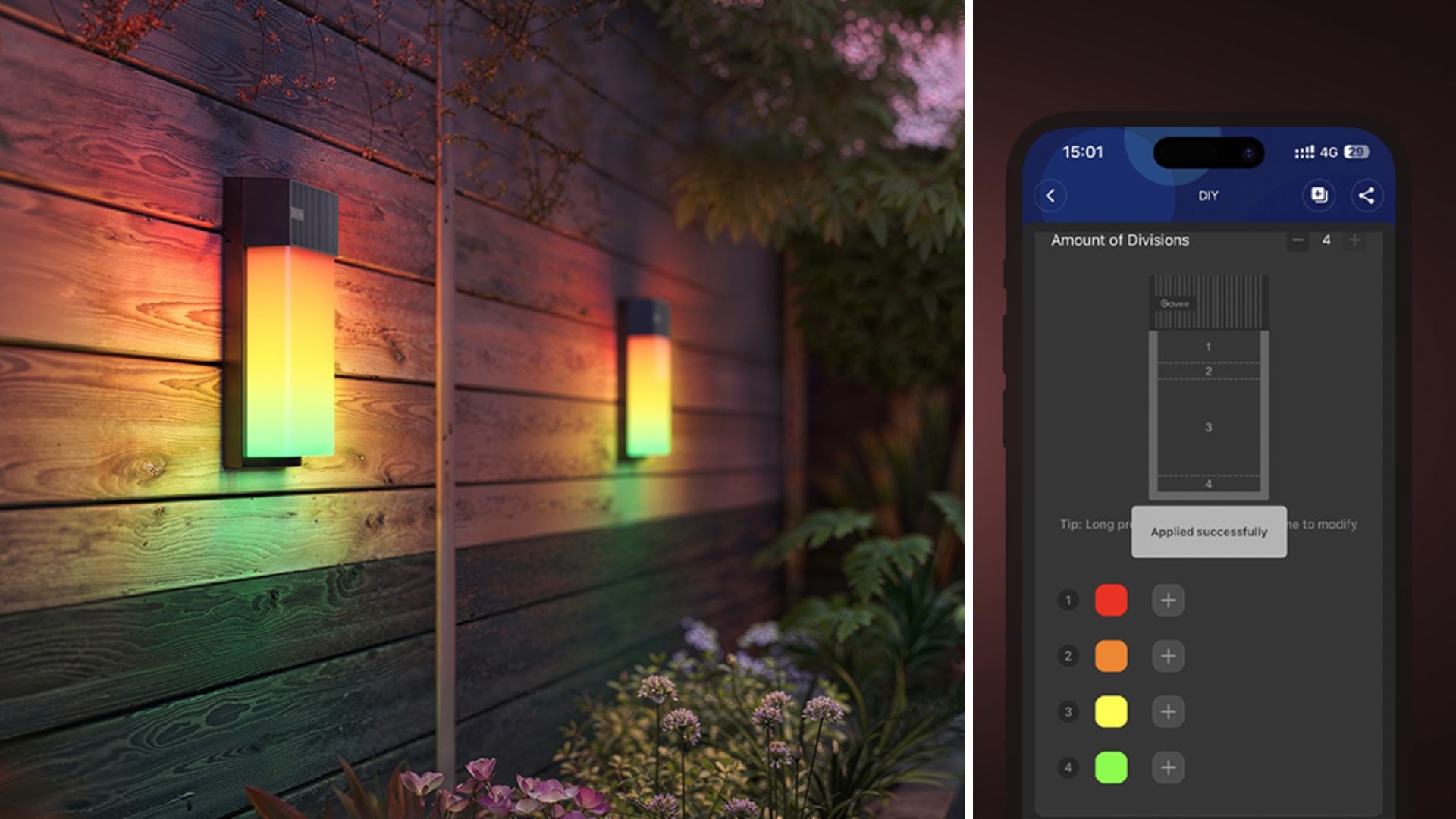
- Wall-mounted lights and sconces are ideal beside doors, grills, garages, and along fencing.
- Choose warm white lighting over bright, cool white bulbs for a cozier atmosphere.
- Variety is the spice of life — mix multiple light sources to create an outdoor space that’s both stylish and functional.
The Best Outdoor Lighting Solutions
String Lights
Mounted Lights
Garden Lights
Ground Lights
Lanterns
Flameless Candles
Common Outdoor Lighting Mistakes
- Relying on a single light source: This isn’t your dining room or home office. Using multiple light sources helps create a warm, layered ambiance while keeping your outdoor space functional.
- Adding too many lights: Yes, there is such a thing as too much lighting. Aim for a soft, inviting glow rather than harsh brightness.
- Choosing bright white bulbs: Cool-toned bulbs can make your patio feel stark and uninviting. Instead, opt for warm white bulbs or smart bulbs that let you adjust the colour temperature and brightness.
- Skipping steps, pathways, and other high-traffic areas: Make sure walkways, stairs, and entrances are well lit to help prevent trips and falls after dark.
- Ignoring weather ratings: Not all outdoor lights are designed to stay outside year-round. Check the manufacturer’s recommendations so you know whether your lights should be brought inside during severe weather or over the winter.
Frequently Asked Questions About Outdoor Lighting
What type of lighting is best for a patio?
A mix of ambient, task-specific, and decorative lighting will serve most patios well, though you may want more or less depending on the size and layout of your space. String or fairy lights are great for creating ambiance and providing coverage across larger areas, while task lighting can be installed on stairs or near the grill to improve visibility and safety. Decorative lighting, like lanterns and candles, adds the finishing touch and helps create a warm, inviting atmosphere.
Are solar patio lights bright enough to light up a patio?
Solar lights tend to be a bit dimmer and softer than plug-in or battery-powered options. That makes them ideal for creating a cozy evening ambiance, but they may not provide enough light for reading, crafting, or other detail-oriented tasks after dark. Their performance also depends on how much sunlight they receive during the day, so a stretch of cloudy weather can affect brightness and runtime. If you want to make the most of your patio every summer evening, it’s worth having a few backup lighting options on hand.
How many lights do I need for a patio?
It really depends on the size and layout of your outdoor space. One or two 30-foot strands of string lights are typically enough for an average-sized patio, while larger backyards may require additional lighting. You can also mix different types of outdoor lighting to suit your needs. For example, pair a strand of string lights with flameless candles or portable lanterns, or skip the string lights altogether in favour of wall sconces. Start with a simple setup, then add more lighting as needed until you find the look and brightness that feel right for your space.
What colour temperature is best for outdoor lighting?
For most outdoor spaces, a colour temperature between 2700K and 3000K is considered ideal. This warm white light creates a cozy, inviting atmosphere that’s perfect for patios, decks, and entertaining areas. If you want even more flexibility, consider smart outdoor lights that let you adjust the brightness and, in some cases, the colour to suit the occasion and create the perfect ambiance.
How do you make a patio feel cozy at night?
Lighting can make a big difference. Opt for bulbs with warm colour temperatures or adjustable brightness, and avoid overly bright fixtures. You want enough light to see your guests and enjoy your outdoor space, but not so much that it feels like you’re sitting under a spotlight. Pair your lighting with comfy pillows and cozy throws, and you’ll have an inviting space everyone will want to hang out in.
Can outdoor lights stay outside all year?
It depends on the type of outdoor lights you choose. In many cases, hardwired lights, mounted fixtures, and wall sconces are designed to withstand the elements year-round, while string lights and some garden lights are better suited to seasonal use and may need to be taken down during the colder months. Be sure to read the manufacturer’s care and installation instructions, so you know whether your lights should be removed during severe weather or before temperatures drop.