Learn how to choose the right lawn mower : compare types, cutting widths, power sources, and features to find the perfect fit for your lawn size and needs.
If you’re a homeowner who takes pride in the appearance of your home, landscaping should be a top priority. Aside from having a manicured lawn, there isn’t much more you can do to drastically improve the curb appeal of your house without too much effort or expense. With this in mind, having the right lawn mower for your yard is essential.
Though lawn care is only an issue for half the year, it’s important that you take care when choosing a new lawn mower since you’ll be using it weekly for months at a time. If it isn’t a good fit, you may opt to neglect your lawn rather than deal with the frustration.
This buying guide will show you how to choose the right lawn mower without any stress or confusion. The best lawn mower is the own that suits your yard’s size and terrain and matches your preference for physicality required.
Types of Lawn Mowers
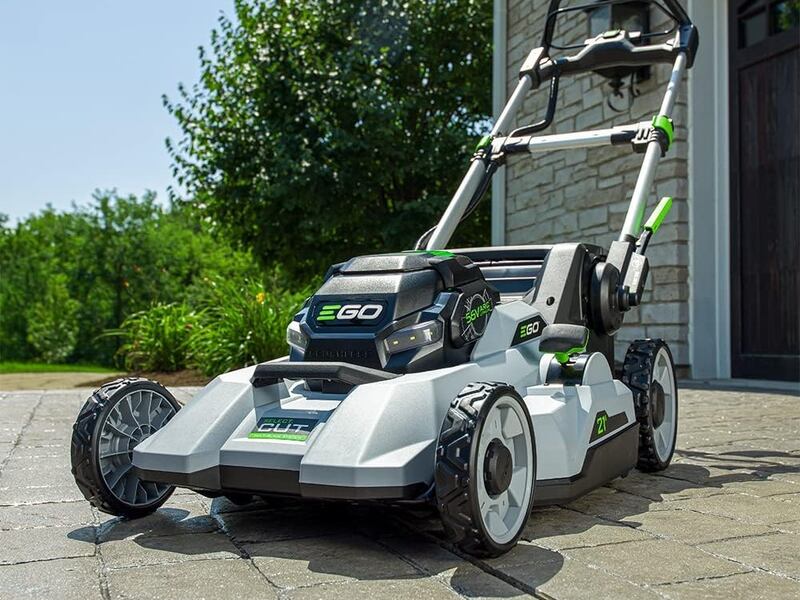
Walk-Behind Mowers
Walk-behind mowers are the standard push-type of lawn mower: you walk behind the mower, pushing it along ahead of you to cut the grass. The deck ranges from about 16-22 inches wide to fit a greater number of lawn sizes. They do best on flat, even ground and are ideal for smaller yards since you’ll be doing most of the physical work.
Riding Lawn Mowers
Riding lawn mowers allow you to sit in a comfy seat on top of the lawn mower. These machines are much larger than the standard push mower, so they are usually chosen for larger yards and for commercial use as well. This type of mower has the deck at the front of the mower. They are more maneuverable than the slightly larger lawn tractor, so they better suit yards with trees, gardens, and other obstacles.
Lawn Tractors
Lawn tractors are the top choice for large, open spaces that need grass cutting. They are very similar to riding lawn mowers, but the cutting deck is under the middle of the mower rather than the front. They are slightly less maneuverable, but they have a slightly larger cutting width up to 48 inches. You can also add other attachments like seeders and snow plows on a lawn tractor.
Zero-Turn Mowers
Zero-turn mowers are the powerhouse when it comes to maneuverability, thanks to their turning radius. They give a cleaner cut than a riding mower and can make sharper corners, and they also move a little faster. They are the top choice for landscapers since they boost productivity over a riding mower.
Mulching Mowers
Mulching mowers work a little differently than the standard mower. Rather than cutting the grass only once, these machines cut the grass multiple times before discharging it. They use different blades that mulch the grass into much finer pieces that are then left on the lawn as natural fertilizer. With this type of lawn mower, you won’t need to empty a bag afterward. These machines can help improve the health of your lawn.
Self-Propelled Mowers
A self-propelled mower works very similarly to a standard walk-behind push mower, but they don’t require you to push it. Instead, they move themselves forward on their own, so you’re only responsible for guiding them in the right direction. If you have a larger lawn or are worried about your physical limitations for any reason, this is a great option. Choose a rear-wheel drive model if you have steep hills, or a front-wheel drive model if you have obstacles to navigate around.
Hover Mowers
Welcome to the future! Hover motors hover above the ground to cut grass. If you have a small lawn and want a mower that is compact and maneuverable, a hover mower is the best choice. They are also quite adept at cutting grass on uneven ground.
Cylinder Mowers
Cylinder mowers are the bulkiest of the walking mowers. They have a large, cylindrical head on the front that houses three or more blades. The cylindrical blades cut vertically against a fixed blade at the bottom of the cutting deck. A grass box is built onto the rear of the mower to collect grass clippings as you mow. These mowers excel at keeping short lawns well manicured, and they produce the best stripes in your lawn if you want the aesthetic to match your effort.
Rotary Mowers
A rotary mower is the most versatile type of mower. They use a single blade that cuts horizontally, or parallel to the ground. They are more capable of cutting thick grass, tall grass, or rougher grass types. They can be corded electric, gas-powered, or battery-powered.
Styles of Push Mowers
Gas Lawn Mowers
Mowers with a gas engine are often more powerful than the electric options, but they are the worst for emissions. They can also be more difficult to maintain since you’ll need to empty and change out the oil regularly. Plus, you’ll have to factor in the cost of gas with the price tag. They are sometimes finicky to start as well, without a push-button start like an electric mower. Their main benefit is that they can run for much longer periods without running out of power. They are best for large lawns since they can run for longer.
Electric Lawn Mowers
Electric lawn mowers are the most popular option these days. They are available in two styles: battery or corded power. Electric lawn mowers offer the same versatility as gas-powered options, though they may be a bit weaker power-wise. If using a cordless mower, you’ll need to contend with battery runtimes, which are often not ideal. To use the corded model, you’ll need an outdoor extension cord, which can be a nuisance to work with. Electric models are better for emissions compared to gas-powered equipment and are generally more affordable.
Manual Push Lawn Mowers
Also known as reel lawn mowers, the manual style of mower is the most portable and convenient. It requires no power source other than your muscles, and they are the most lightweight, compact, and maneuverable options. Though we only recommend using this type of mower for small, well-manicured lawns, they are the most affordable option for residential spaces. However, they cannot cut long grass, so you’ll need to make sure you maintain your lawn regularly or else you’ll need a string trimmer to cut down the length.
Features to Consider Before Buying a Lawn Mower
Cutting Width
The cutting width of a mower varies greatly depending on the type of mower you use. The smallest deck is around 13 inches, while the largest cutting width on a lawn tractor can reach four feet. The main factor that determines which cutting width you want is your lawn size. Anything more than a few acres, you’ll want the maximum cutting width you can afford to make mowing your lawn more efficient. For normal residential lawns, 16-20 inches is usually ideal for some extra mobility and maneuverability around backyard obstacles like trees and fire pits.
Cut Height Options
Every cutting deck will be adjustable to customize the height of your grass once it’s cut. Your grass should be 3-3.5 inches tall, so your cutting deck should be at least that tall to keep your grass healthy. You may want additional height options if your grass grows faster than average, since it may take two passes to get it down to the appropriate height.
Grass Clipping Options
Bag vs. Bagless
There are two options for collecting your grass clippings. Many mowers come with bags that collect the grass clippings automatically as you mow, which helps your lawn look better afterward and can protect pets and livestock like horses from eating clipped grass. The other option is a bagless mower, which sprays the clipped grass to the side as you mow. Your lawn may look a little messy for a few days until the clippings blow away, but you won’t have to buy new bags or worry about clogs from an over-filled bag. You should always use bags when mowing seedlings or after heavy rain.
Rear vs. Side Discharge
Mowers are either designed with a side discharge for grass clippings or a rear discharge. Rear discharge with bags is usually recommended since it keeps the mower more balanced as the bag fills and becomes heavier.
Blade-Brake Clutch
The blade brake clutch is an incredibly useful feature to have. It allows you to stop the blades from turning without shutting off the mower entirely. This way, you can stop the blades to clear a hazard out of your way and won’t have to go through the hassle of restarting the engine. This is especially helpful on gas-powered mowers.
Wheels
How the wheels work is a key consideration with self-propelled lawn mowers and riding mowers. They may be front-wheel drive, rear-wheel drive, or all-wheel drive. All-wheel models are best, but rear-wheel drive is recommended over front-wheel drive for uneven terrain.
Handles
If you have a larger yard that will take more time to cut, comfortable, ergonomic handles are a must. Some lawn mowers have nice padding on the handles to preserve your grip, while others have height-adjustable handles so that your back will remain straight even if you’re taller. Ergonomic handles also give you more control over the mower. Many lawn mowers have reversible handles that rotate front to back, so you can simply move the handles to the other side rather than turn the mower in a circle.
Mower Deck Size and Type
The size of your mower deck determines cutting width and maneuverability. The larger it is, the more efficiently you can cut your grass, but every extra inch will sacrifice maneuverability. For residential spaces, no more than 24 inches is recommended. When looking at the mower deck, you should also pay attention to its material. Plastic won’t corrode, but metal lasts longer. A domed deck offers more room for the blades to cut efficiently compared to a flat deck, so that’s something to consider as well.