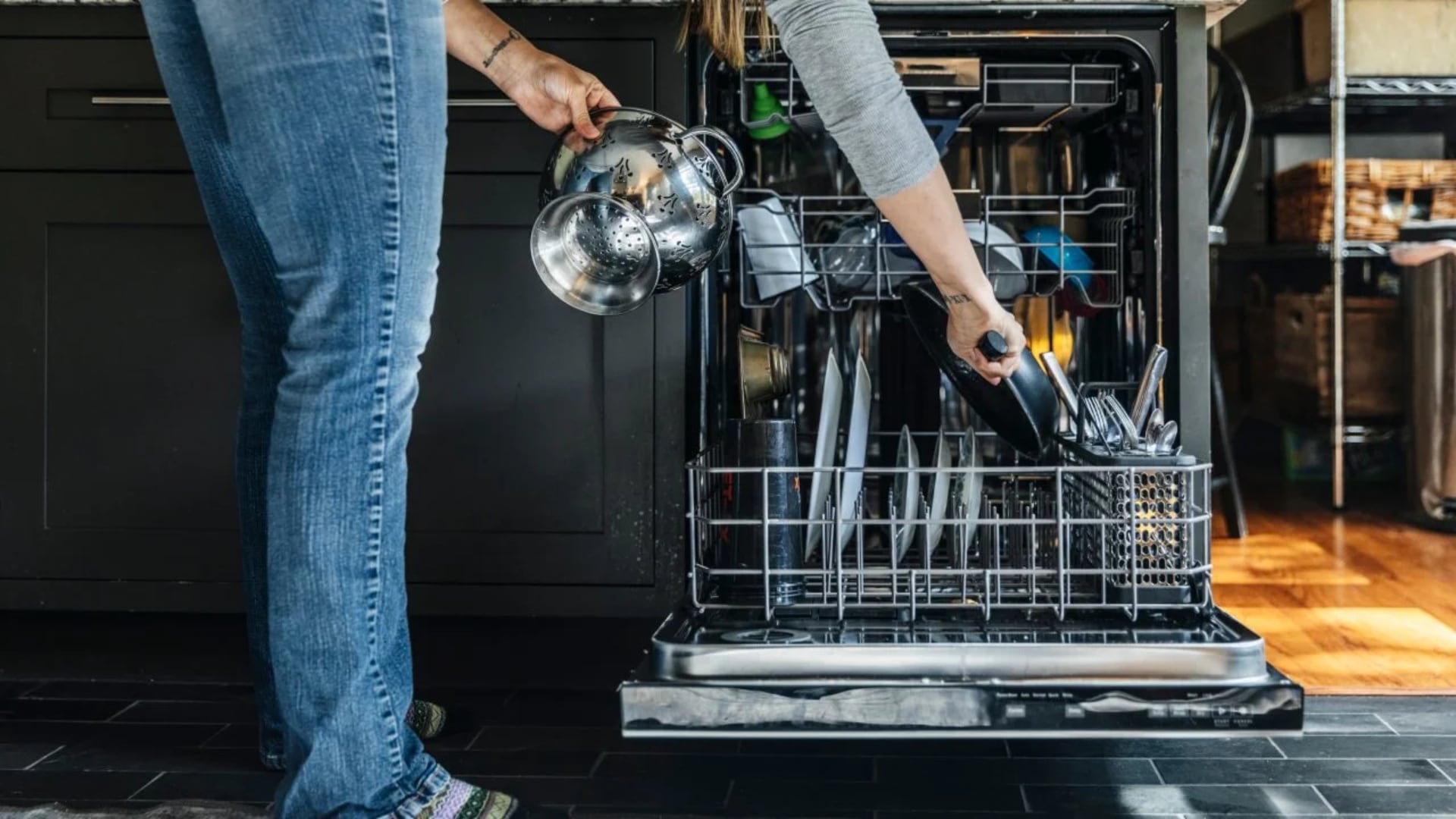
There are certain expectations about dishwashers that everyone can agree on. We all want a dishwasher that cleans dishes until they sparkle. Nobody wants to open it up and be greeted by a rancid odour or the smell of old food.
But that odour can show up if you don’t maintain your dishwasher. So, here are a few tips to keep your dishwasher smelling fresh.
This text is a translation from Noovo Moi.
“It’s usually a sign that food particles, moisture, and bacteria are building up,” explains Justin Bovard, Executive Director of Product Management for Dishwashers at GE Appliances.
One reason an unpleasant odour in the dishwasher can be particularly frustrating is that it’s hard to pinpoint where it’s coming from right away, making the problem harder to fix.
So, we asked CR’s dishwasher expert and manufacturers about the most common causes of bad dishwasher odours. Here are the most likely culprits, followed by our suggestions to keep your dishwasher from smelling bad.
What causes dishwasher odours
You haven’t cleaned your dishwasher filter.
If your dishwasher doesn’t smell great, the first thing to check is the filter. There’s a good chance that the filter, located at the bottom of your dishwasher and designed to catch food scraps removed from your dirty dishes, is the source of the bad smell. If you have a manual filter and don’t know it needs to be cleaned, food particles trapped in the filter can cause a foul odour, explains Larry Ciufo, who oversees dishwasher testing at Consumer Reports. Unlike self-cleaning filters, manual filters — common in modern dishwashers — must be cleaned regularly. A dirty filter can do more damage than just cause bad smells. Without regular cleaning, it can also harm your dishwasher’s performance, says Lindsay Jones, Integrated Brand Manager at Maytag.
The dishwasher drain hose is clogged.
Food residue from your dishwasher or dishes can clog the drain hose and produce odours, explains Lindsay Jones. You can prevent this by scraping large food scraps off your dishes before loading them into the dishwasher.
Food scraps have built up inside your dishwasher.
Over time, sticky soap scum can build up on the walls of your dishwasher and trap food particles, explains Ms. Jones. Instead of washing down the drain, these food particles can clump together over time and produce an odour.
Your dishwasher door is dirty.
Bits of food may have become stuck against the edge of your dishwasher where the door opens, explains Mr. Ciufo. It’s also easy for people to overlook buildup around the dishwasher’s door frame. Mould can also form around the door seal. “With the amount of moisture and heat a dishwasher produces, mould can build up in the door seal and create a foul odour if the dishwasher isn’t cleaned regularly,” says Ms. Jones.
How to keep your dishwasher smelling clean
If you want your dishwasher to stay odour-free, you can’t skip regular cleaning and maintenance. Ms. Jones recommends cleaning your dishwasher filter once a month. Start by clearing any debris from the filter and rinsing it with warm water. If food particles or grime are stuck to the filter, try soaking it in warm, soapy water. You can then use a toothbrush to remove stubborn residue.
Cleaning the inside of your dishwasher regularly with a soft, damp cloth or sponge can help remove food particles and dirt, says Marty Olson, Quality Engineer at LG Home Solutions. If your machine has a self-cleaning cycle, run it once a month with the tub empty. According to Mr. Olson, adding 3 teaspoons of citric acid or a manufacturer-recommended dishwasher cleaner to the detergent dispenser can help eliminate residue, odours, white stains, and grime. If your machine doesn’t have a self-cleaning cycle, Mr. Bovard recommends giving it a quick clean by placing a cup of white vinegar in a dishwasher-safe container on the top rack and running the hottest cycle.
If you notice mould inside the dishwasher, Mr. Bovard suggests wiping the interior with a solution of 1/8 cup of liquid bleach to 1 gallon of water. Then, run a normal cycle in your empty dishwasher without detergent. However, if the interior of your dishwasher is stainless steel, avoid using bleach, as it can damage the finish.
To clean your dishwasher without bleach, run an empty sanitize cycle. You can also use a citric acid–based dishwasher cleaner, advises Mr. Bovard. If your dishwasher has persistent mould issues, it may indicate that the water temperature isn’t high enough. In that case, you should call a technician to inspect your dishwasher.
Mould can also appear around the edges of the door gasket. That’s why it’s important to inspect the dishwasher door seals regularly for buildup. If you notice residue on the seal, clean it with a clean sponge and warm, soapy water. Once finished, wipe the seal dry with a clean cloth to ensure no moisture remains, advises Ms. Jones.
By following all the steps above — cleaning the filter, the interior, and the door seal regularly — you’ll reduce the risk of being greeted by an unpleasant odour the next time you open your dishwasher door.
Article written by Pang-Chieh Ho, senior writer at Consumer Reports, specializing in home appliances and household equipment.