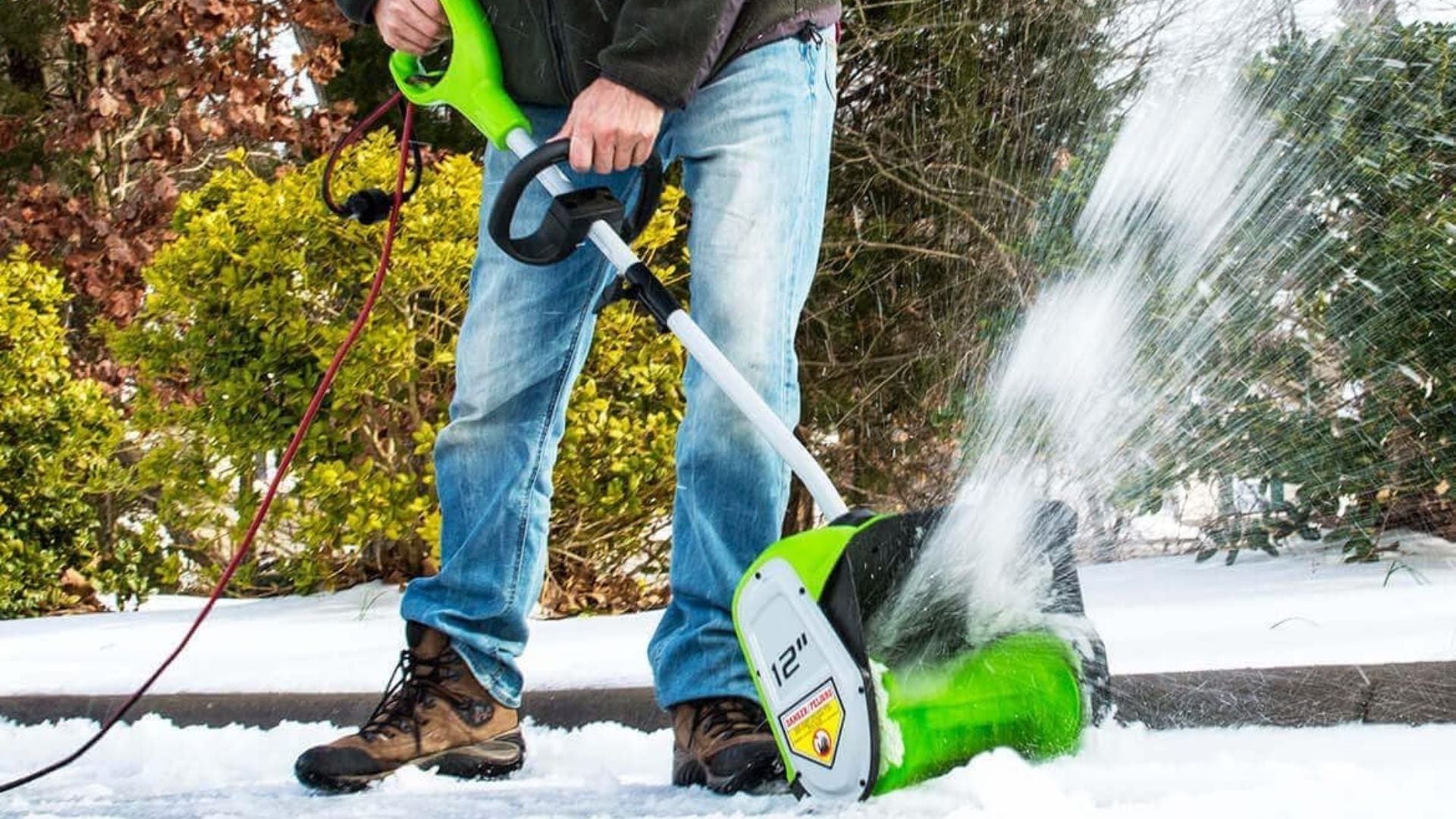
Shovelling snow might be a rite of passage in Canada, but that doesn’t mean you have to suffer through it every time winter dumps a boatload of snow on your steps. If you’re looking for something lighter, faster, and easier on your back than a full-size snow blower — but more powerful than your basic shovel — an electric snow shovel might be exactly what you need.
But not all models are created equal. Here’s a practical guide to help you pick the right electric snow shovel for your climate, your property, and your muscles.
Questions to Ask Before You Buy
What Kind of Snow Am I Dealing With?
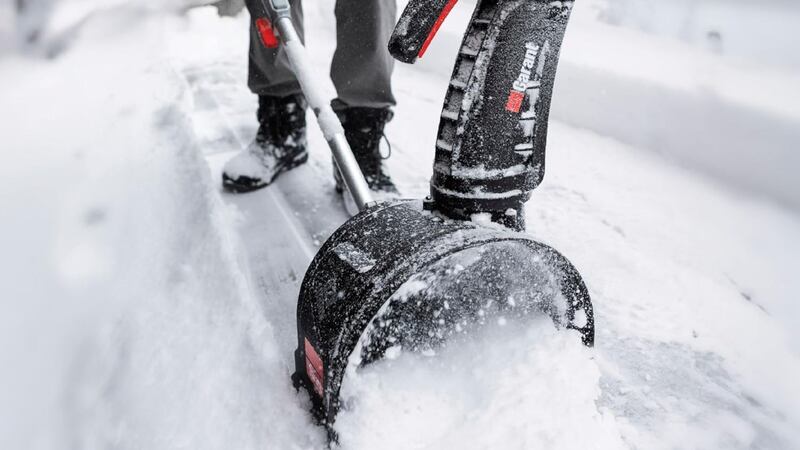
Electric snow shovels are best for light to moderate snowfalls, up to about 15–20 cm deep. They can tackle fluffy powder easily, but may struggle with wet, heavy snow or deep snowbanks. If your area regularly gets monster dumps of snow, you might want to look at a full-sized snow blower instead.
Where Will I Use It?
Electric snow shovels shine in tight areas: steps, decks, narrow walkways, balconies, and small driveways. They’re compact and easy to store, but don’t expect them to clear a triple-wide suburban driveway without breaking a sweat (or a battery).
Corded or Cordless?
Corded models are usually more affordable and lighter, but they come with one major downside: the cord. You’ll need a cold-rated outdoor extension cord, and you’ll be limited by outlet access.
Cordless snow shovels offer more freedom of movement, run on rechargeable lithium-ion batteries, and are better suited for quick jobs — but they have limited runtime, usually 20 to 45 minutes per charge.
Types of Electric Snow Shovels
Corded Electric Snow Shovels
These plug into a regular outlet and are usually the most lightweight and budget-friendly option. Perfect for homeowners with smaller areas to clear who don’t want to worry about charging batteries.
Best for: Light snow, small properties with easy outlet access.
Cordless (Battery-Powered) Snow Shovels
These run on 20V–60V batteries and give you freedom from cords — ideal for decks, porches, and sidewalks. Some brands let you swap batteries with other tools (like lawn mowers or leaf blowers) if you’re already in the ecosystem.
Best for: Quick clean-ups, mobility, or when you don’t want to wrangle a cord in a snowstorm.
Features That Matter
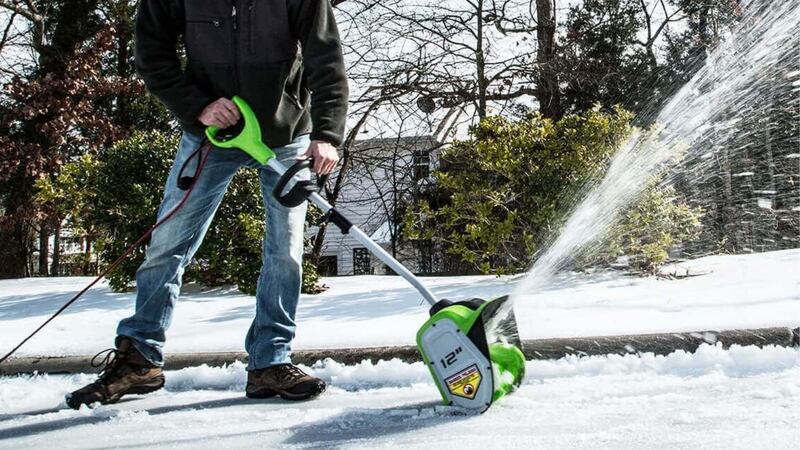
Clearing Width and Depth
Most electric snow shovels have a clearing width between 10″ and 16″, and can handle snow depths up to 6″ to 8″. If you regularly get more than that, you’ll either need multiple passes — or a more powerful machine.
Wider shovels = fewer passes, but also = heavier and harder to manoeuvre on stairs or tight corners.
Throwing Distance
The auger inside the snow shovel determines how far it can fling snow — most models range between 15 and 25 feet. That’s enough to clear a walkway, but don’t expect to launch snow across a wide driveway.
Weight and Ergonomics
One of the biggest perks of electric snow shovels is that they’re lightweight — typically 10 to 18 lbs. Look for ergonomic handles and adjustable shafts, especially if multiple people in your household will use it.
Some units can start to feel heavy after 10–15 minutes of use — especially when lifting repeatedly on stairs or deck steps.
Battery Life (For Cordless Models)
Expect 20 to 40 minutes on a single charge, depending on snow conditions. Colder temperatures can shorten battery life, so consider models with interchangeable batteries if you’ve got more ground to cover.
Charge times vary from 1 to 5 hours, so factor that in if you need to clear multiple times a day.
Safety Features
- Two-step start: Prevents accidental power-ups.
- Adjustable chute (rare): Some models let you control snow direction slightly, but most just throw straight ahead.
- Motor protection: Some models shut down automatically if jammed or overheated.
Final Tips
- Don’t wait until February. These often sell out during the first big snowfall — especially cordless models.
- Be realistic. An electric snow shovel won’t power through frozen snowbanks or icy slush. But for fresh snow on a weekday morning? It’s a lifesaver.
- Check compatibility. Already have a lawn mower or drill from a major tool brand? Some batteries are interchangeable and could save you money.