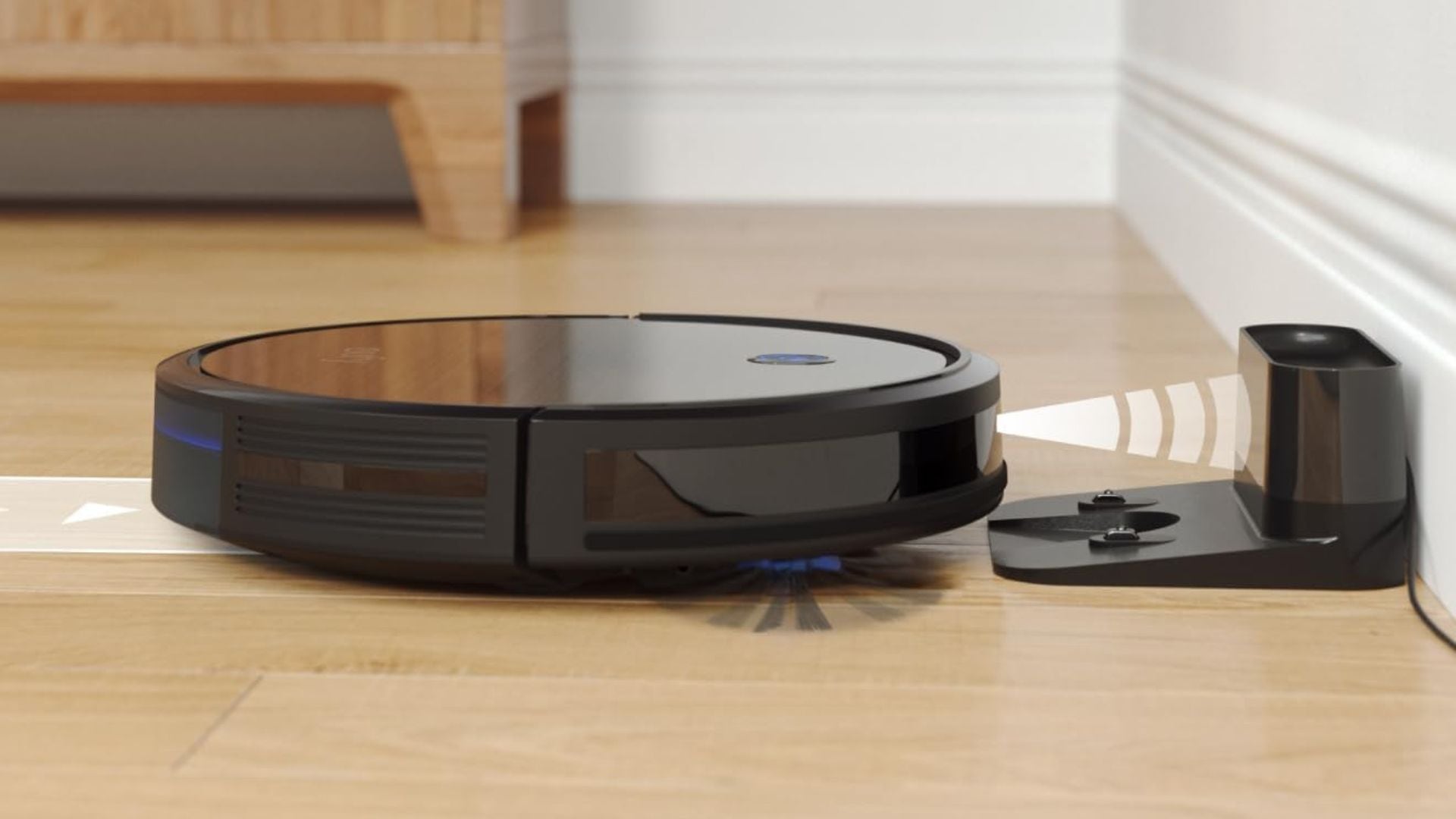
Robot vacuums are one of those inventions that make you wonder how you ever lived without them. Whether you’re tired of spending your weekends vacuuming or you just want cleaner floors without the daily effort, these smart helpers can save time — and sanity. But with so many models, price points, and features out there, choosing the right one can be overwhelming. Below, you’ll find the key questions to ask yourself and the main features to look for before bringing one home.
Questions to ask yourself
Before falling down the rabbit hole of product specs and glossy marketing promises, take a moment to figure out what you actually need. The answers will help you narrow down the market and find a robot vacuum that truly fits your lifestyle.
What is my budget?
Robot vacuums range widely in price — from under $200 for basic models to well over $1,000 for high-end ones that map your home and empty their own dustbins. Decide early how much you want to spend. More expensive models usually offer stronger suction, smarter navigation, and self-cleaning features, but even budget units can handle simple daily upkeep on hard floors.
What type of flooring do I have?
The type of flooring in your home will heavily influence your choice. Some robot vacuums excel on hard floors and struggle on thick carpets, while others are built with enough suction power to pull pet hair out of rugs. If you have multiple floor types — like tile, hardwood, and low-pile carpet — you’ll want a model that automatically adjusts suction or uses sensors to adapt to each surface.
Do I have pets (and how much do they shed)?
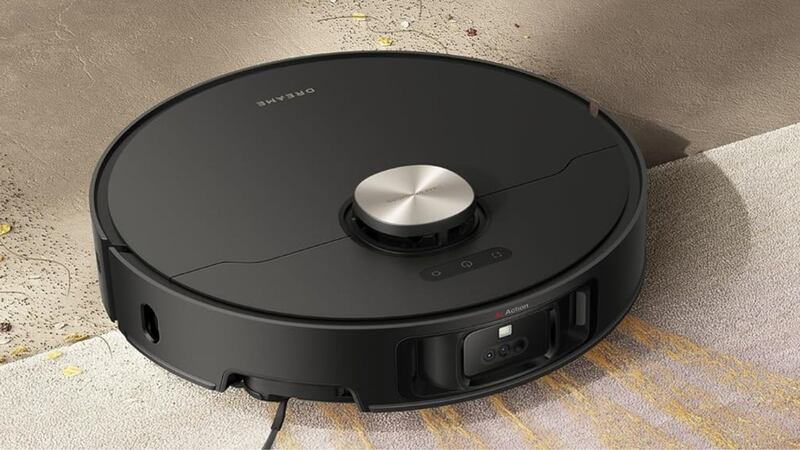
Pet owners quickly learn that not all robot vacuums are up to the task. If you’re battling fur tumbleweeds, look for a model with higher suction power, a brush design that resists tangling, and a large dustbin. Some models even come with HEPA filters to trap dander and allergens, making them ideal for households with allergy sufferers.
How big is my space?
If you live in a condo or apartment, almost any robot vacuum will manage fine. But larger homes need models with longer battery life and efficient navigation systems to avoid missed spots. Some higher-end vacuums even map multiple floors, letting you clean the upstairs and downstairs without confusion.
How tech-savvy am I (or do I want to be)?
Robot vacuums range from simple push-button cleaners to fully connected smart devices that can be controlled through apps, voice assistants, and detailed schedules. If you prefer hands-off automation, go for a Wi-Fi-connected model that works with Alexa or Google Assistant. If you’d rather skip the setup, a basic model with a remote control may be all you need.
Features to consider
Once you know what you’re looking for, it’s time to get into the details. These are the features that separate a mediocre robot vacuum from a truly impressive one.
Navigation and Mapping
Basic models move in random patterns — they’ll eventually cover most of a room, but not efficiently. Higher-end models use smart mapping technologies like LiDAR or visual navigation to “see” the space and clean in neat, methodical lines. Mapping lets them remember your floor plan, avoid obstacles, and even clean specific rooms on command. If you value precision and speed, smart mapping is a worthwhile upgrade.
Suction Power
Suction power is usually measured in Pascals (Pa). Light-duty models hover around 2,000 Pa, while powerful ones can exceed 15,000 Pa. More suction means better performance on carpets and for pet hair, but also tends to be noisier. If you have mostly hard floors, you don’t need extreme suction — just consistent performance.
Battery Life and Charging
Most robot vacuums can clean for 60 to 120 minutes on a charge, depending on suction settings and floor type. Models with “auto-recharge and resume” will return to their dock when low on battery, recharge, and then pick up where they left off — a must-have for larger spaces. If your place is compact, runtime matters less, but quick charging is always handy.
Dustbin Capacity
The dustbin capacity determines how often you’ll need to empty the vacuum. Smaller bins (under 400 ml) fill up fast, especially with pet hair. Larger bins or models with self-emptying bases are more convenient — the latter can store weeks of debris before you have to touch anything. Self-emptying stations do raise the price, but they make a huge difference in daily upkeep.
Noise Level
Robot vacuums are quieter than traditional ones, but not silent. Some sound like a gentle fan; others are closer to a hair dryer. If you plan to run it while you’re home or working, look for a model under 60 decibels for minimal disturbance.
App and Smart Features
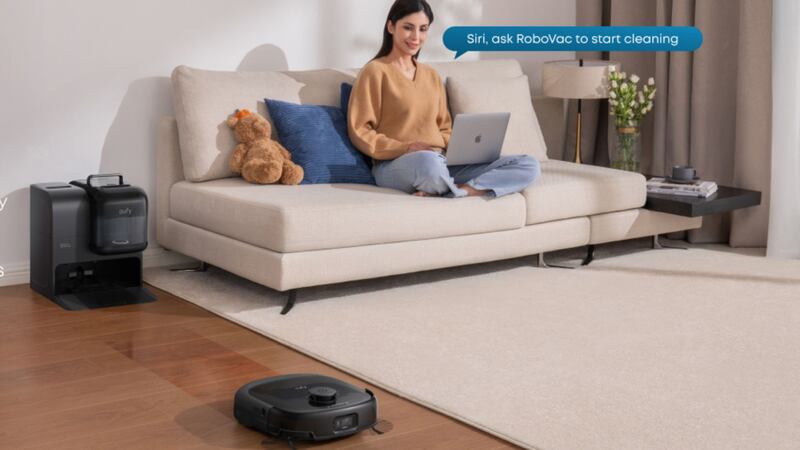
Most modern robot vacuums have companion apps where you can schedule cleanings, view maps, set “no-go zones,” and track maintenance. Integration with Alexa, Google Home, or Siri adds voice control convenience (“Alexa, clean the kitchen”). If you like data and control, this feature set is a must; if you just want to press a button and walk away, it might be overkill.
Mopping Function
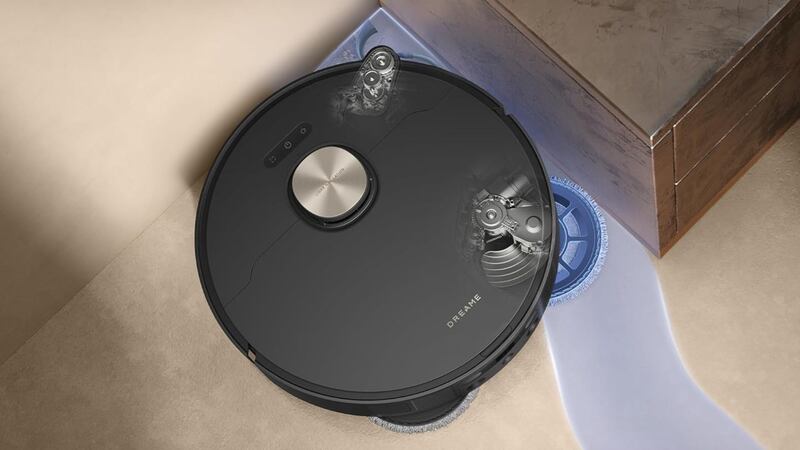
Many newer models double as robot mops, with a water tank and a detachable cleaning pad. While they won’t scrub stubborn stains, they can handle light maintenance on hard floors. If you want to replace both your vacuum and mop with one device, look for a hybrid model that can automatically switch between dry and wet cleaning.
Cliff and Obstacle Sensors
All robot vacuums are equipped with basic sensors to prevent them from falling down stairs, but some go further — detecting furniture legs, cables, pet waste, and even socks on the floor. Premium models use cameras or AI-based recognition to navigate around hazards rather than bumping into them.
Maintenance and Replacement Parts
Like any appliance, a robot vacuum needs upkeep. Brushes, filters, and rollers should be replaced periodically to keep suction strong. Before buying, check how easy it is to find replacement parts and whether the company provides clear maintenance reminders in the app. A vacuum that’s simple to clean will last longer and perform better.
Extras (Auto-Empty Base, Voice Alerts, Multi-Floor Mapping)
Just like snow blowers have heated grips and treadmills have water bottle holders, robot vacuums come with bonus features too. Some talk to you when the bin’s full, others have multi-floor mapping for houses with multiple stories. An auto-empty base is one of the best extras you can splurge on — it turns your robot into a nearly hands-free cleaning system.