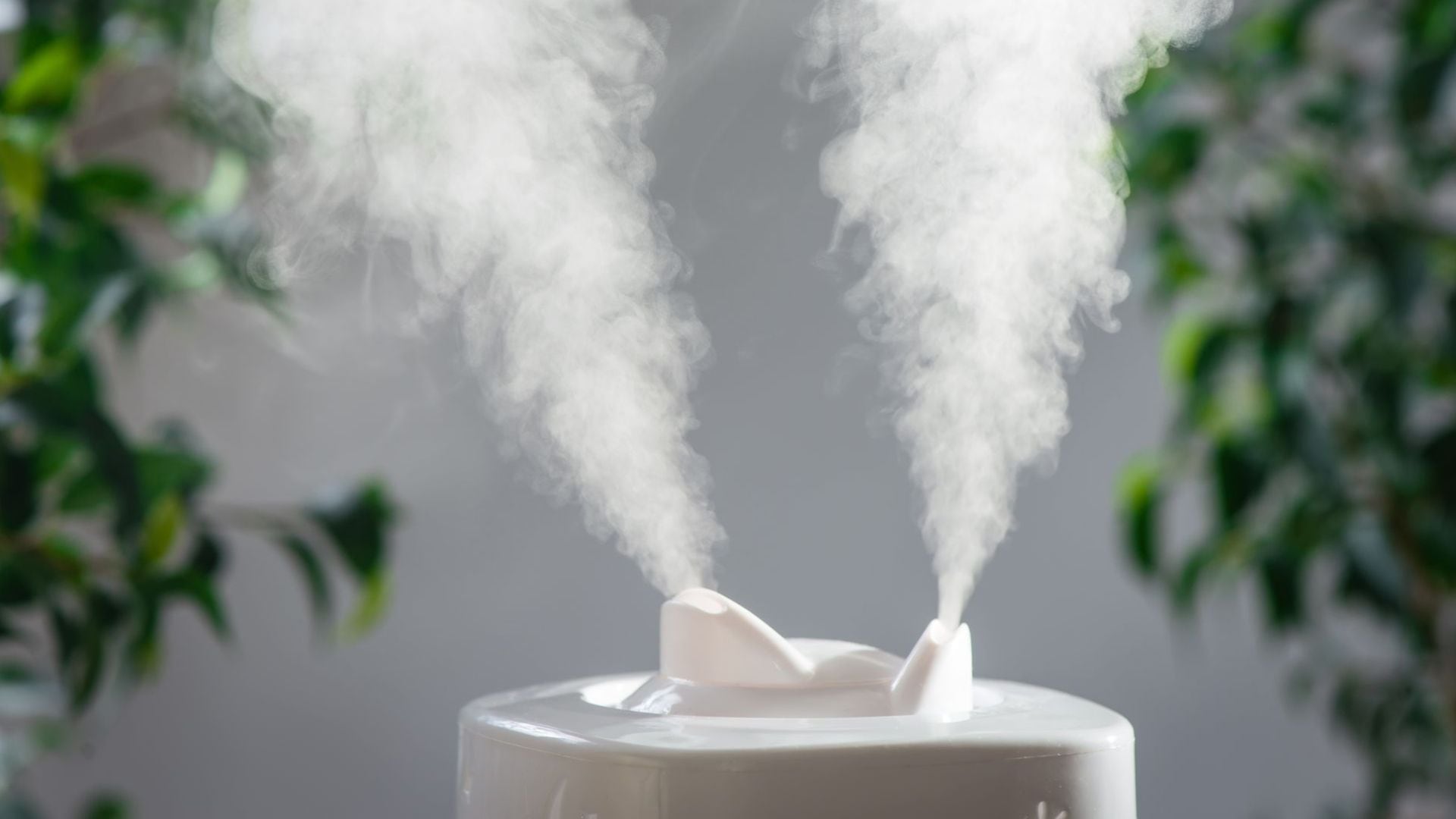
Whether you’re battling dry air, itchy skin, scratchy throats, or just want a more comfortable bedroom or living space, a humidifier can make a big difference — especially during long Canadian winters. But with so many sizes, technologies, and features out there, choosing the right one can easily turn into a bigger headache than dry sinuses.
Here’s a clear, straightforward guide to help you find the best humidifier for your home — without the confusion.
Questions to Ask Before You Buy
What Room(s) Am I Trying to Humidify?
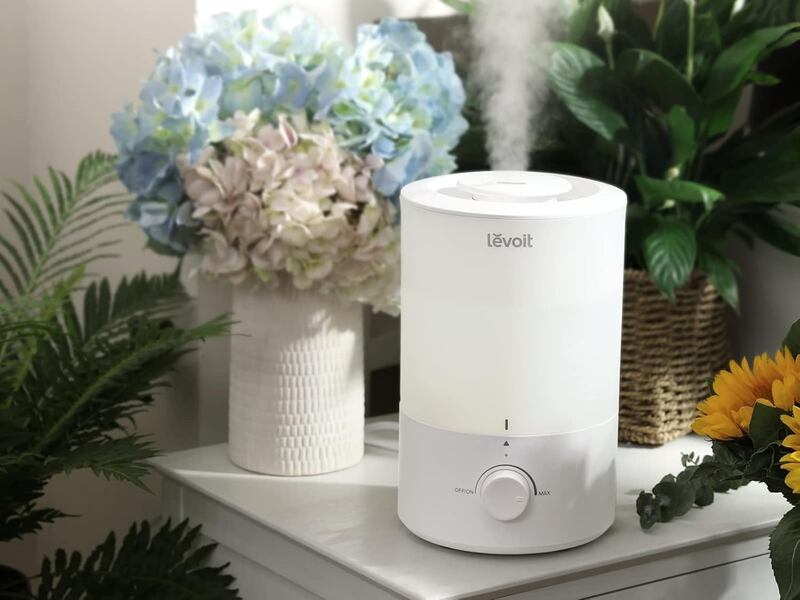
A small bedroom? A whole downstairs? Humidifiers are rated for room size, and picking the wrong one is like buying winter boots in the wrong size — they just won’t work well.
- Small rooms (up to ~300 sq ft): Compact tabletop models.
- Medium rooms (~300–800 sq ft): Larger ultrasonic or evaporative units.
- Whole-home: Console or furnace-mounted units.
Do I Want Warm or Cool Mist?
Some humidifiers put cool mist into the air, while others heat the water first and release warm mist. Both work to add moisture, but the choice affects noise, safety, and energy use:
- Cool mist: Usually quieter, safer around kids and pets, and uses less energy.
- Warm mist: May feel cozier in cold weather and can help reduce bacteria, but it can use more power and be warmer to the touch.
What’s My Budget?
Humidifiers can cost anywhere from affordable under $50 tabletop units to $300+ large-room or high-tech models. Set a realistic range before you start browsing — and remember to budget for filters if the model needs them.
Types of Humidifiers
Ultrasonic Humidifiers
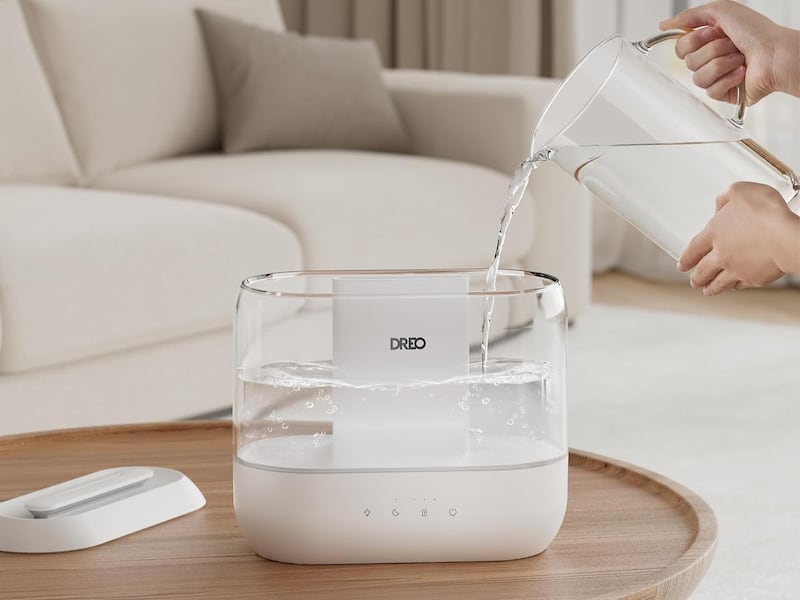
These are popular, quiet, and energy-efficient. They use ultrasonic vibrations to turn water into a fine mist.
Best for: Bedrooms, living rooms, people sensitive to noise.
Evaporative Humidifiers
These use a fan and a wick filter. Air passes through the wet filter and evaporates moisture into the room. They’re self-regulating — the drier the air, the more moisture they add.
Best for: Medium-to-large rooms, whole-home systems with furnace hookups.
Steam (Warm Mist) Humidifiers
These boil water and release warm steam. They can help create a cozier feel, but they may use more electricity.
Best for: Bedrooms (when safety isn’t a concern), people who prefer warm mist.
Console & Whole‑Home Humidifiers
Larger units are designed to handle multiple rooms or entire floors. Often installed with HVAC systems for automatic humidity control.
Best for: Large spaces and entire homes.
Features Worth Considering
Humidistat
A built‑in humidistat lets the unit monitor and maintain your desired humidity level, so it doesn’t over‑humidify (which can cause mould and dust mites).
Filters
Some units use wick filters to trap minerals and prevent “white dust.” If your tap water is hard, filters can make cleanup easier — but they add to ongoing costs.
Tank Size & Runtime
Bigger tanks mean fewer refills. If you hate refilling mid‑night, look for tanks you can fill easily and hold more water (2–6 litres or more).
Noise Level
Bedrooms and home offices benefit from quieter units. Ultrasonic models tend to be the least noisy, while evaporative and steam units can be louder.
Automatic Shutoff
If the water runs out, the humidifier should power off to avoid damage and ensure safety. This is a must‑have.
Remote Control & Timers
Nice extras if you want to set schedules or adjust settings without getting up.
Final Tips
- Match size to space. A small bedroom unit won’t cut it in an open‑concept living room.
- Check Canadian availability and support. Not all models sold elsewhere are easy to service here.
- Remember winter maintenance. Clean more often when you use it daily for months on end.