
With so much climate-focused news and big-picture conversations about the future of the planet, it’s easy to feel overwhelmed and unsure of where to begin. When uncertainty keeps us in a state of inaction, Earth Day is a reminder that our individual choices still carry weight, and small, everyday shifts can add up to meaningful change over time.
Sustainable choices can start close to home, by supporting Canadian brands that not only boost local economies but also help reduce the environmental impacts tied to long-distance shipping, complex supply chains, and excess packaging. Choosing products made and distributed closer to home is one simple way to shrink your environmental footprint, and many Canadian brands are building sustainability into every step of their process, from responsibly sourced materials to low-waste packaging and ethical production. From eco-conscious beauty to responsibly made home essentials, these brands are proving that eco-friendly choices can fit seamlessly into your daily life.
Nature Clean
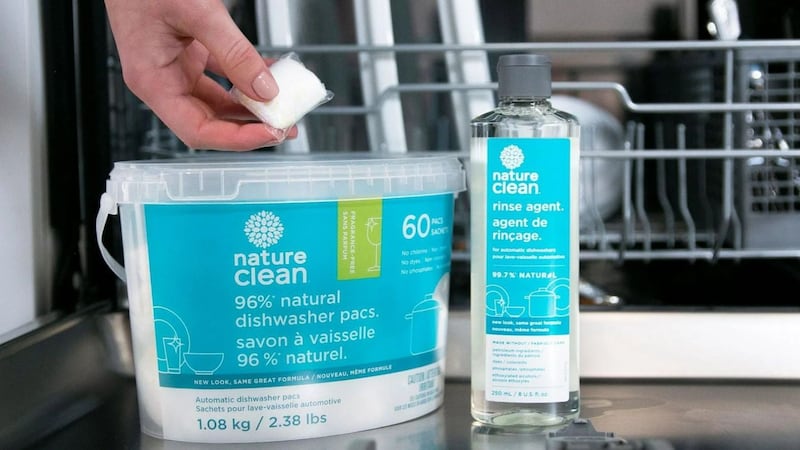
Nature Clean is a Canadian brand with roots dating back to the 1960s, when a father began creating gentler household products after his wife experienced reactions to conventional cleaners. Today, the company remains locally owned and continues to manufacture and package its products in Canada. Built on a long-standing commitment to safer alternatives, Nature Clean focuses on formulas derived from plant- and mineral-based ingredients that are easier on people and the environment.
Cheekbone Beauty

This Indigenous-owned cosmetics brand is built around making the greatest positive impact on people and our planet. Founded by Jenn Harper in St. Catharines, Ontario, Cheekbone Beauty blends clean, high-quality makeup with a strong commitment to sustainability and community. It focuses on vegan, cruelty-free formulas and eco-conscious packaging, including refillable and biodegradable options, while also reducing waste by repurposing unsold products. As a certified B Corp, Cheekbone Beauty goes beyond products by supporting Indigenous communities through initiatives like a scholarship fund, bringing a more purpose-driven approach to beauty.
Fable

Fable is a Vancouver-based Canadian homeware brand that brings a more sustainable approach to everyday dining through thoughtfully made, long-lasting pieces. The brand is known for durable stoneware and timeless designs, and focuses on creating items that are meant to be used and kept for years to reduce the cycle of constant replacement. Fable partners with artisans who prioritize ethical production and responsibly sourced materials, while also working toward a zero-waste model. Their plastic-free, recyclable, and compostable packaging further reduces environmental impact, and, as a certified B Corp and carbon-neutral company, Fable continues to take steps to lower its overall footprint.
KIIMA
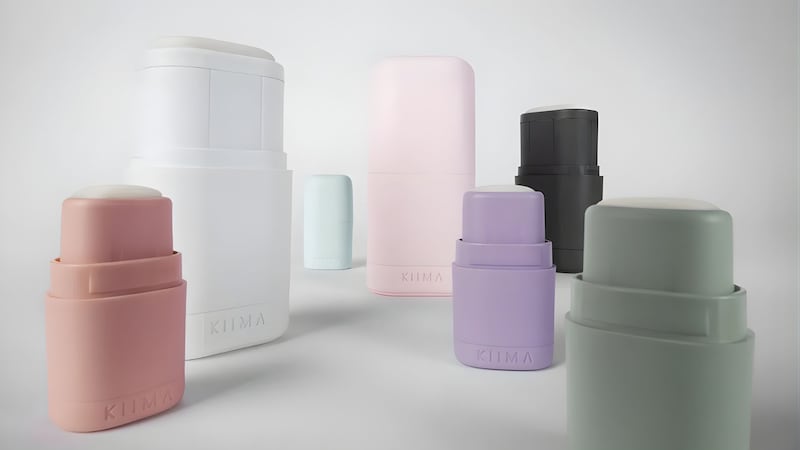
Each year, it’s estimated that three billion deodorant containers end up buried in the ground, and almost all of them are plastic. The Montreal-based personal care brand KIIMA was founded to tackle that problem head-on, beginning with a refillable deodorant applicator manufactured at a certified eco-responsible facility in Granby, Quebec. KIIMA’s model essentially separates the applicator from the formula, allowing you to keep the same reusable container for your deodorants and lip balms, and choose from a range of natural, vegan, and cruelty-free partner-made refills in an approach that could meaningfully change how personal care products are bought and disposed of at scale.
ATTITUDE
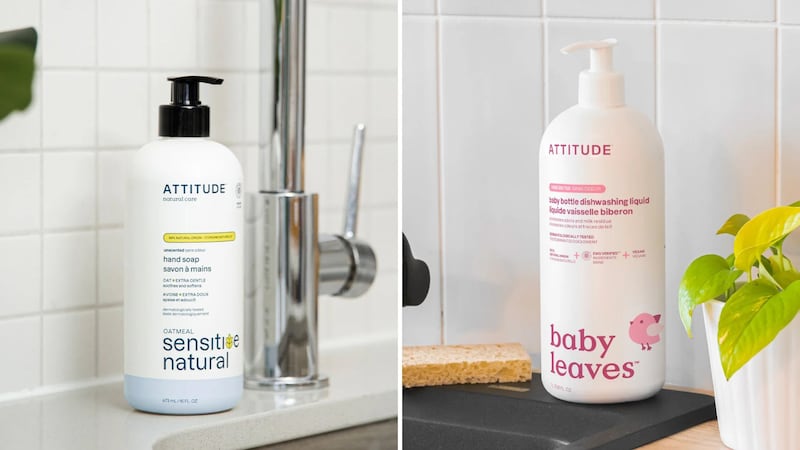
ATTITUDE is a Quebec-based brand born out of the belief that families deserve effective everyday products that won’t bring harmful ingredients into their homes. Rather than greenwashing, its “Conscious Chemistry” approach focuses on combining clean ingredients with rigorous standards, and the packaging options include refillable formats, aluminum bottles, and plastic-free materials to help reduce waste.
Silk & Snow

A good mattress is one of the most impactful purchases you can make for daily life, and Silk & Snow wants to help reduce its impact on the environment. Its line of homewares includes an organic mattress made from certified materials like natural latex, organic cotton, and responsibly sourced wool. It operates with the philosophy that a well-made product that lasts decades is, in itself, a sustainability win, and its eco-friendly ethos extends across its entire supply chain, from partnering with environmentally responsible manufacturers to offering recycling and donation programs that keep old products out of landfills.
Three Ships

Toronto-based Three Ships is proof that a skincare brand can be both effective and environmentally responsible. Founded in 2020 by two women who wanted to cut through the noise of overcomplicated beauty, the brand works with chemists to develop clinically tested, naturally derived formulas that are easy to understand. It uses upcycled ingredients pulled from food and agricultural by-products, turning what would otherwise be waste into active skincare ingredients. Packaging follows the same easy approach to environmentalism, with glass bottles, cardboard materials, and a partnership with Pact Collective to handle the harder-to-recycle components that most brands simply ignore.
Kotn

In a fashion industry built on speed and disposability, Toronto-based Kotn makes the case for slower and steadier. The certified B Corp works directly with cotton farmers in Egypt, building long-term relationships that ensure fair wages, safe conditions, and community investment, including funding schools in the regions where its cotton is grown. That direct connection to the source means full supply chain transparency, from farm to finished product, with natural biodegradable fibres, non-toxic dyes, and low-waste production methods at every step. Leftover materials get upcycled, packaging is largely plastic-free, and even their physical retail spaces are committed to using 80% vintage or second-hand furniture.
Everist

Conventional shampoo and conditioner are roughly 80% water, which means most of what you’re buying, transporting, and eventually washing down the drain is something you already have access to at home. Toronto-based Everist was founded around this insight and has built a haircare and body care line around concentrated, waterless formulas that deliver the same results in a fraction of the footprint. The plant-based, biodegradable formulas come in recycled aluminum packaging, which is already a significant step up from single-use plastic, and the brand goes one step further with a cap return program, ensuring that even the small plastic components get reused rather than tossed. Less water in the formula also means lighter shipping weight, which turns into lower emissions across the supply chain.
Nellie’s
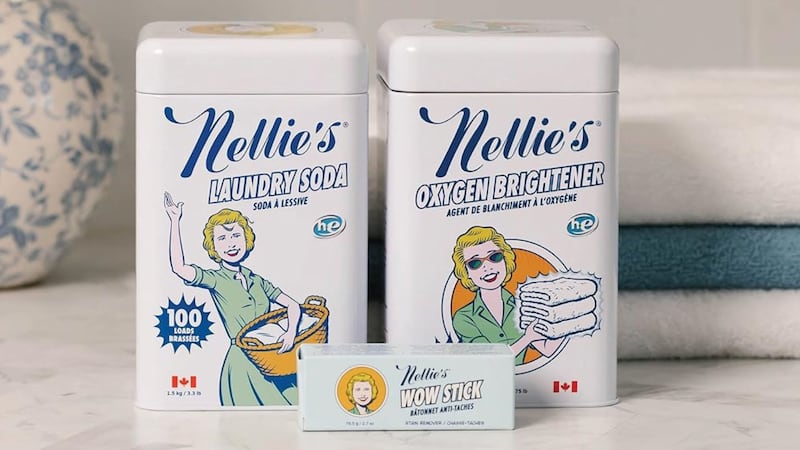
Nellie’s Clean is a Vancouver-based household cleaning brand that has built its reputation on simple, effective formulas and a “less is more” approach. Inspired by founder James Roberts’ mother, the brand focuses on creating everyday cleaning products without harsh chemicals, synthetic fragrances, or unnecessary additives. Their formulas rely on biodegradable ingredients, and packaging choices like reusable tins help reduce waste at home.
Green Beaver

In 2011, Green Beaver made Canadian natural beauty history by developing the country’s first organic mineral sunscreen with the support of the National Research Council. Since then, the brand has expanded its lineup to include soaps, deodorants, and toothpaste with the same founding principles: plant-based, often locally sourced ingredients that are gentler on skin and the environment than conventional alternatives. Everything is developed and manufactured in Canada, keeping transportation emissions low while supporting local production.
Lomi

Lomi is focused on tackling one of the biggest contributors to household waste: food scraps. Founded by Jeremy Lang (who also created the 100% biodegradable Pela phone case), Lomi is an at-home food recycler that transforms scraps into nutrient-rich material that can be returned to the soil. By helping divert waste from landfills where it would otherwise produce greenhouse gases, the brand supports a circular, lower-impact approach to everyday living. Alongside its technology, Lomi also prioritizes compostable and recyclable packaging and extends product life through refurbishment and donation programs, making it easier for households to rethink how they manage waste.
Tentree

Vancouver-based Tentree was founded on the idea that everyday purchases could be directly tied to environmental restoration. The brand plants ten trees for each item bought, a commitment that has grown into millions of trees planted across ecosystems around the world. Beyond supporting both reforestation and the communities that depend on healthy forests, Tentree makes its clothing from organic cotton, hemp, and recycled fibres that require less water, generate fewer emissions, and produce less waste than conventional alternatives. As a certified B Corp and Climate Neutral brand, they hold themselves to measurable, third-party verified benchmarks rather than relying on self-reported claims.