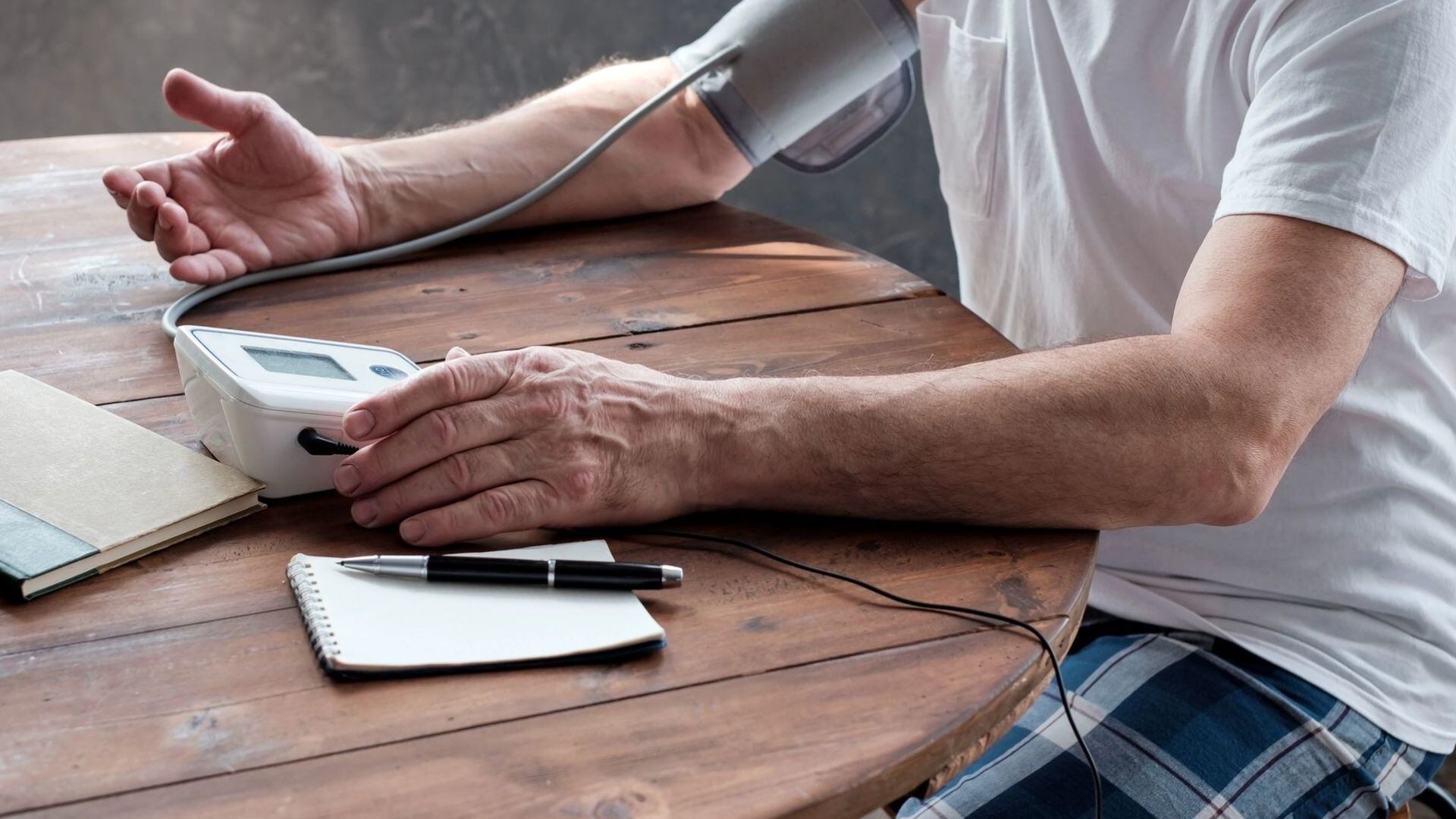
Whether you’re managing hypertension, tracking your health at home, or just want to keep an eye on your numbers between doctor visits, a reliable home blood pressure monitor is a must-have tool — especially in Canada, where clinic visits aren’t always convenient (or quick).
But with so many models, features, and price points out there, it’s easy to get overwhelmed. Here’s a clear guide to help you choose the right device for your needs, your budget, and your routine.
Questions to Ask Before You Buy
Who Will Be Using It?
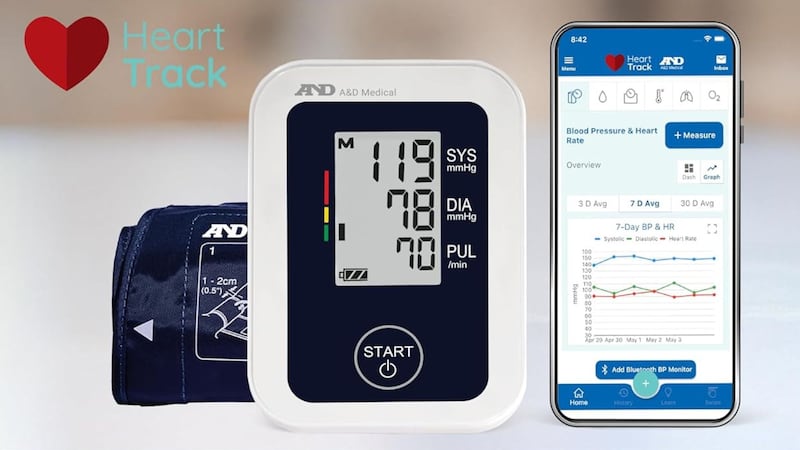
Is this for you? A partner? A senior in your family? Some monitors are designed for one user, while others can store readings for two or more people. Choose accordingly — especially if you’re sharing the device at home.
How Often Will I Use It?
Daily tracking? Once in a while? If you’ll be taking readings often (or during specific times, like first thing in the morning), you’ll want a monitor that’s fast, comfortable, and easy to use — ideally with automatic memory storage.
Do I Need It to Sync with My Phone?
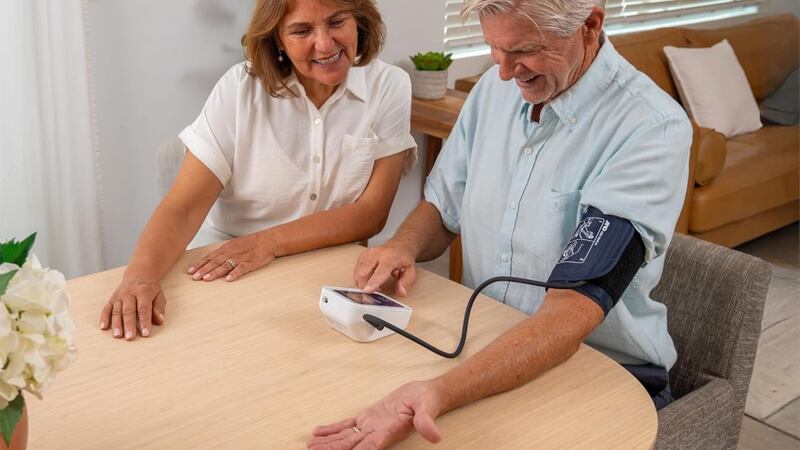
Some models offer Bluetooth syncing to an app where you can track long-term trends, share data with your doctor, or get reminders. If you’re tech-savvy (or just forgetful), this feature can be really helpful. If you’re more of a pen-and-paper person, a basic model will do just fine.
Types of Blood Pressure Monitors
Upper Arm Monitors (Automatic)
The most common type — and the one recommended by most doctors. They use a cuff that inflates automatically and measures blood pressure from your upper arm.
Best for: Accuracy, ease of use, and Health Canada–recommended results.
Wrist Monitors
Smaller and more portable, wrist monitors are handy for travel — but can be less accurate if not used correctly. They’re more sensitive to arm position, so you’ll need to follow instructions carefully.
Best for: Travellers or people with large upper arms who find cuffs uncomfortable.
Manual Monitors (Aneroid)
These are the old-school stethoscope-and-squeeze-bulb models. Accurate, yes — but they require practice, and most people are better off with a digital unit at home.
Best for: Trained professionals.
Features That Matter
Accuracy and Health Canada Approval
Look for models that are clinically validated and approved by Health Canada or Hypertension Canada. This ensures the readings meet national standards and have been tested for reliability.
Cuff Size and Fit
A poorly fitting cuff = inaccurate readings. Make sure the cuff fits your arm (or wrist) properly. Many monitors list their cuff range in centimetres — measure your upper arm before you buy.
Some models come with adjustable or XL cuffs if you have larger arms.
Display and Ease of Use
- Large, backlit displays are ideal — especially for seniors or anyone with poor eyesight.
- One-touch operation is helpful if you don’t want to mess with settings every time.
- Colour-coded results can help you quickly understand if your numbers are in the normal, elevated, or high range.
Memory and Data Storage
If you’re tracking your health long-term or need to show your doctor, look for models that:
- Store 60–200+ readings
- Allow multiple user profiles
- Include date/time stamps for each reading
Irregular Heartbeat Detection
Many devices can detect irregular heartbeats (arrhythmias) during measurement. This isn’t a diagnosis tool, but it can be a helpful early warning.
Bluetooth/App Syncing
Some monitors connect to apps (like Omron Connect or Qardio) so you can:
- View charts
- Set reminders
- Export data for your healthcare provider
Great if you’re into tracking trends — or just hate writing things down.
Batteries vs AC Power
Most monitors are battery-powered (AA or AAA), but some include or support an AC adapter. If you use the device daily, the power cord will save you money on batteries over time.
Final Tips
- Take readings at the same time every day. Mornings are best for consistency.
- Rest for 5 minutes beforehand, sit upright, and keep your feet flat on the floor.
- Bring your device to a doctor’s appointment once a year to compare results.
- Track your average, not just one number. One high reading isn’t necessarily a problem — trends matter more.