Between the shorter days, gloomy mornings, and early sunsets, it’s no surprise that many Canadians feel a little off during the fall and winter months. If you find yourself struggling with low energy, poor sleep, or the winter blues (aka Seasonal Affective Disorder, or SAD), a light therapy lamp might help brighten things up — literally.
However, with numerous models available on the market — ranging from compact desk lights to wall-mounted panels — determining which lamp will effectively do the job can be confusing. Here’s a clear, no-nonsense guide to help you choose the right light therapy lamp for your needs, your space, and your winter survival strategy.
Questions to Ask Before You Buy
What Am I Using It For?
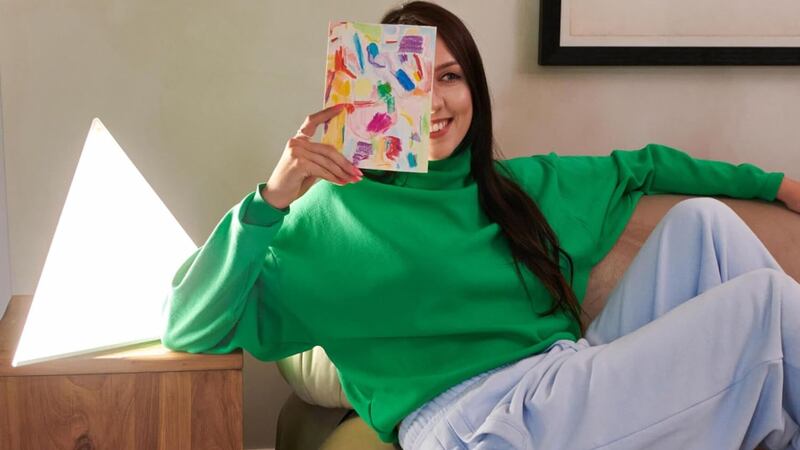
Are you dealing with SAD symptoms, disrupted sleep, or just looking for a productivity boost in your home office? Some lamps are optimized for clinical-grade intensity, while others are more casual — great for groggy mornings but not strong enough for medical use.
How Much Time Will I Actually Spend in Front of It?
If you’re disciplined and can sit in front of a bright light for 20–30 minutes every morning, a standard 10,000 lux lamp will work well. But if you know you’ll be fidgety, look for a wider panel or angled lamp that can reach your eyes even while you’re typing, eating breakfast, or reading the news.
Where Will I Put It?
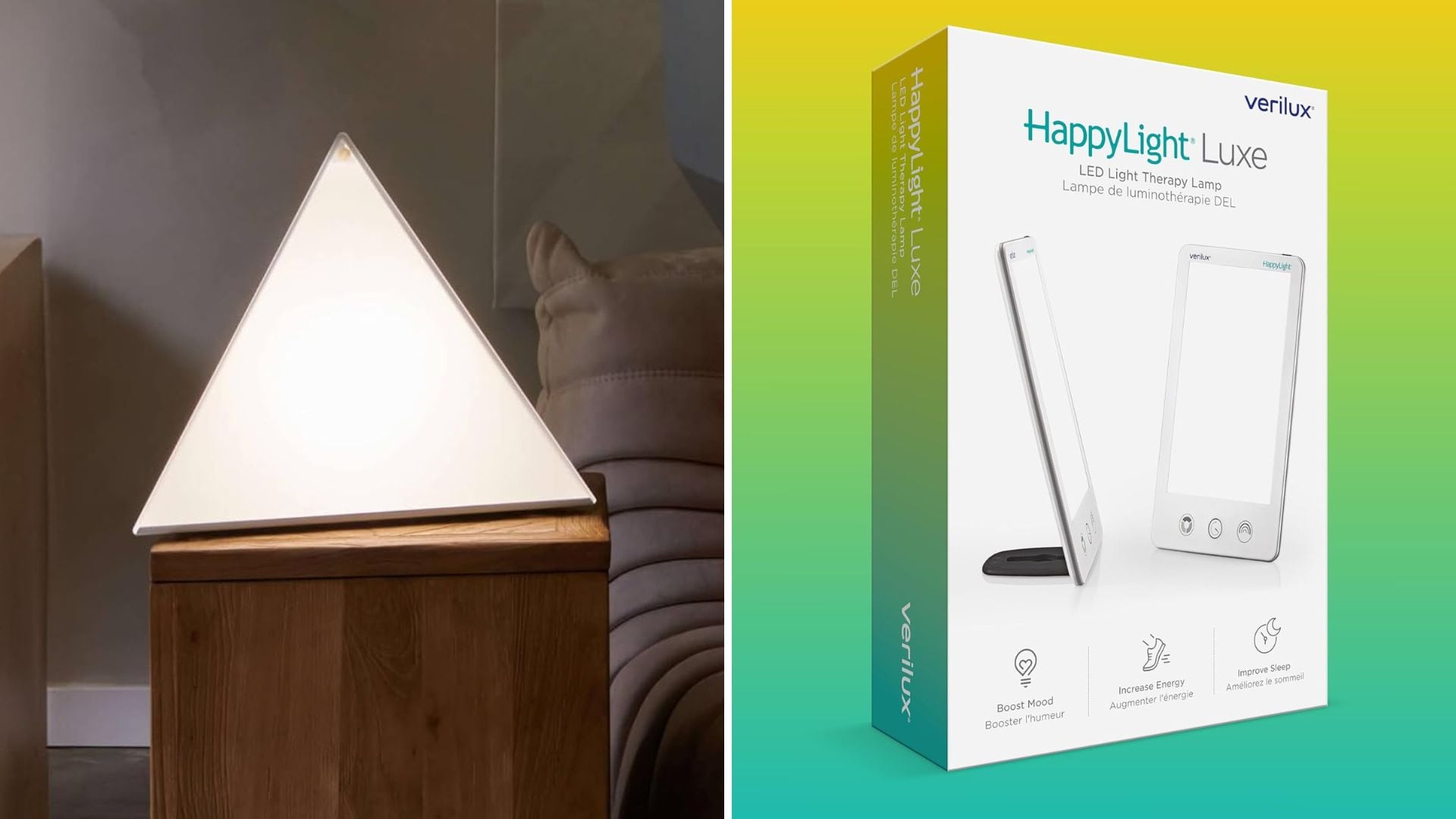
Desk? Nightstand? Kitchen counter? Ensure your lamp fits in your space and operates at the correct distance and angle. Some models are portable enough to move around the house with you — others are basically glorified floodlights that demand a fixed setup.
Key Features to Consider
Brightness (Lux Level)
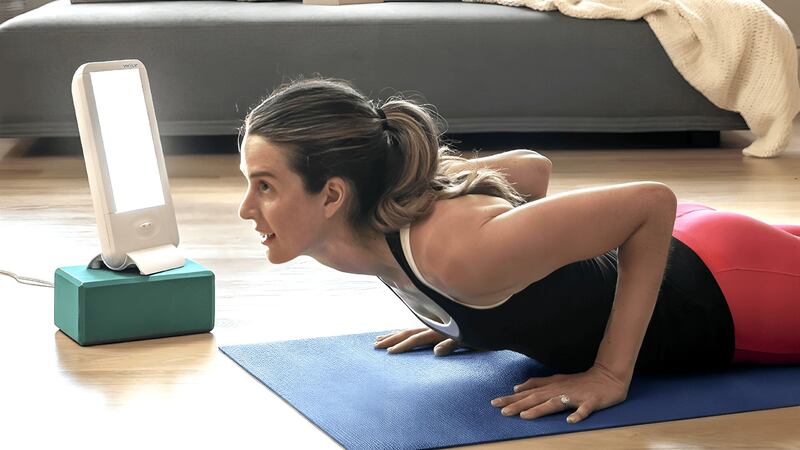
10,000 lux at about 16–24 inches is the gold standard for effective light therapy. That’s roughly the intensity of morning sunlight. If the lamp is dimmer (like 2,500 lux), you’ll need to sit closer or use it longer. Avoid anything under 2,000 lux — it likely won’t do much.
Note: Lux is not the same as lumens. Lux measures brightness at a given distance.
Light Quality and Spectrum
Look for UV-free white light in the 5,000K to 6,500K range — this mimics natural daylight without the risks of UV exposure. Some lamps use blue-enriched light, which can be effective too, but might cause headaches or eye strain in sensitive users.
Size and Angle
A bigger lamp = more flexibility. Larger surface areas give you a broader beam, so you don’t need to sit perfectly still. Some models have adjustable tilt or swivelling heads, which is great if you multitask while using it.
Flicker and Glare-Free Design
For daily use, especially near screens, look for lamps that are advertised as flicker-free and have diffused light. This helps reduce eye fatigue and headaches — especially for longer sessions.
Adjustable Intensity and Timer
Some people ease into light therapy with lower brightness or shorter durations. Models with dimmer controls and auto shut-off timers offer more flexibility, especially if you plan to use the lamp at different times of day.
Portability and Storage
Live in a condo? Travel often? Work in multiple spots around the house? Compact, foldable models are great for portability. If you’re using it in one place, a larger unit with a solid base may be better.
Safety and Certification
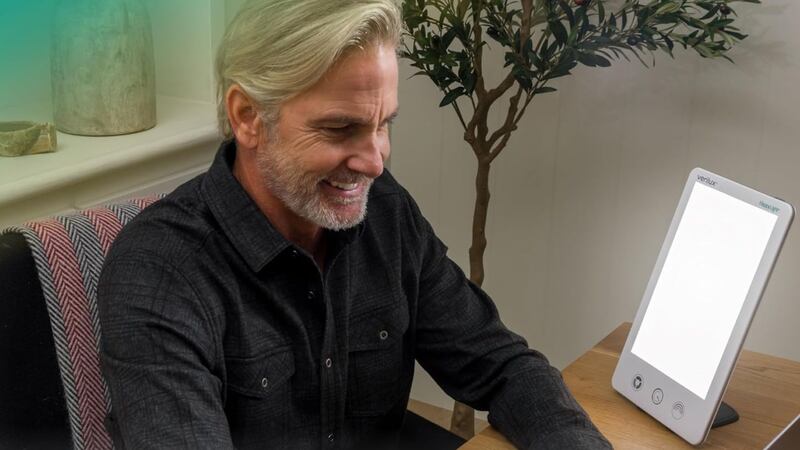
If you’re using the lamp for SAD or sleep issues, it’s worth checking if it’s been tested by a recognized health body. Look for:
- Health Canada certification
- CSA or ETL approval
- Mention of clinical use or SAD-specific treatment
Avoid lamps that emit UV light or don’t specify spectrum and lux levels — these are more like gimmicky desk lights than actual therapeutic tools.
When and How to Use a Light Therapy Lamp
Most people use their lamp in the morning, for 20–30 minutes, while doing something stationary (like drinking coffee or checking emails). Position it so the light enters your eyes indirectly — no need to stare directly into it.
Consistency is key. Like exercise or brushing your teeth, you get the most benefit from daily use — especially between October and March, when daylight hours are shortest in Canada.