Winter is well underway, and in Canada, we know what that means: the cold isn’t going anywhere.
But that doesn’t mean we have to freeze for the next few months — far from it — thanks in large part to layering. Layering is the most effective way to stay warm, dry, and comfortable, no matter the temperature.
This text is a translation from Noovo Moi.
A Technique Perfect for Both the Outdoors and the City
First, it’s important to note that layering isn’t just for the ski slopes. It’s also the secret to staying warm and comfortable in the city, even on bitterly cold days.
That makes it just as useful for everyday life (including commuting to work) as it is for winter outdoor activities.
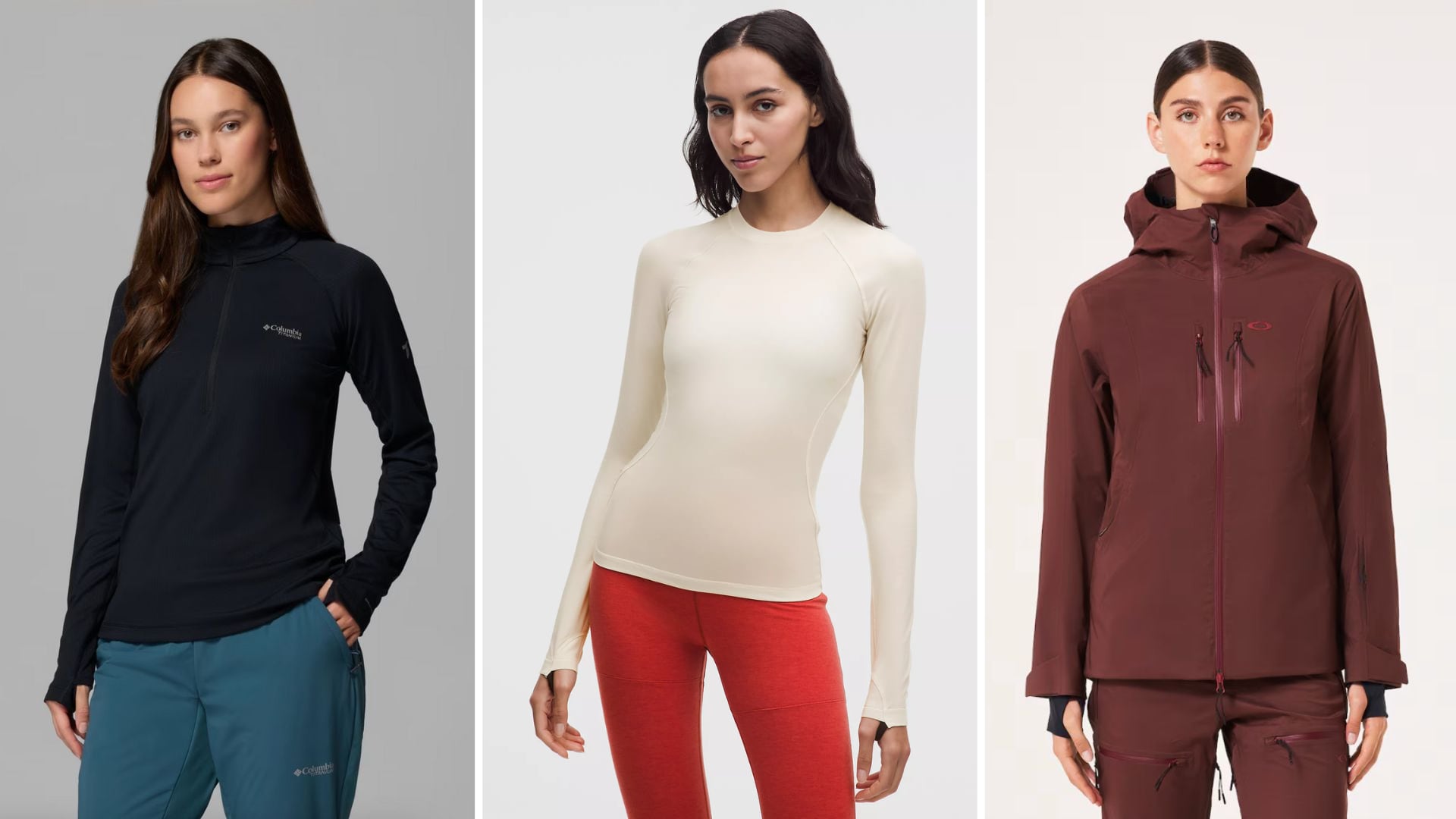
The layering system is based on the interaction of three distinct layers:
1. Base Layer (Moisture-Wicking)
Its role is to move moisture (sweat) away from the skin toward the outer layers. When moisture stays against your body, it cools down — and so do you. That’s exactly what we want to avoid.
Best materials: Merino wool (soft, warm, odour-resistant) or synthetic fibres (polyester, polypropylene, which dry quickly).
Avoid at all costs: Cotton, which absorbs and traps moisture.
2. Mid Layer (Thermal Insulation)
This layer provides most of your warmth by trapping warm air. Its thickness should be adjusted based on temperature and activity level.
Best materials: Fleece, down (or synthetic insulation), or heavy wool.
Adaptation: In the city, this layer can be a cashmere cardigan or a lightweight quilted jacket worn under your coat. Outdoors, a fleece jacket or puffer is often preferred.
3. Outer Layer (Protection from the Elements)
This layer acts as a barrier against wind, rain, and snow. It is usually windproof and waterproof.
Best materials: Softshells for breathability and light protection, or hardshells (Gore-Tex) for maximum waterproofing and protection.
Tips for Effective Layering
- Prioritize quality: High-quality technical materials perform better, are thinner, and last longer—especially important for base and mid layers.
- Get the fit right: Clothes shouldn’t be too tight, as that reduces the insulating air space. The outer layer should be roomy enough to fit mid layers without compression.
- Don’t forget the extremities: Accessories like a beanie, scarf, and mittens or gloves (ideally two-layer systems for outdoor activities) are essential to prevent heat loss.